The National Payments Corporation of India (NPCI) has partnered with HSBC India and JP Morgan Payments to introduce real-time foreign exchange (FX) conversion and settlement for cross-border Unified Payments Interface (UPI) transactions. This partnership is expected to make cross border digital payments faster, transparent and efficient by allowing the currency conversion and quick settlement.
NPCI’s Partnership With HSBC India and JP Morgan
NPCI has signed a strategic partnership with HSBC India and JP Morgan Payments to introduces the real-time foreign exchange (FX) settlement for the international UPI payments.
Traditionally, cross border digital payments involves several intermediaries and sometimes it delayed foreign exchange settlements.
Under the new arrangement currency conversion and settlement will take lace in real time and allowing international UPI transactions to be completed very quickly and efficiently.
What Is Real-Time FX Settlement?
A Foreign Exchange (FX) settlement is the process which converts one country’ currency into another during an international transaction.
With real-time FX settlement,
- Currency conversion happens instantly.
- Exchange rates are also applied immediately.
- Payment confirmation is faster.
- Settlement risks are reduced.
- Customers receives the greater transparency on exchange rates and transaction values.
This removes delays that are common in the conventional international payment systems.
How Will the New System Work?
Under the new partnership,
- A customer will initiate an international payment by using UPI mode.
- The payment is routed through the participating banking network.
- The required foreign currency conversion is set to be completed instantly.
- Funds are also settled in real time between participating financial institutions.
- The recipient also receives the payment more quickly with greater certainty.
Key Benefits of the Partnership
- Faster Cross-Border Payments
- Real-Time Currency Conversion
- Greater Transparency
- Improved Customer Experience
- Reduced Settlement Risk
- Stronger Global Acceptance of UPI
Why This Partnership Matters
UPI has changed the India’s domestic digital payments ecosystem by enabling the secure, instant and interoperable transactions.
As the India expands its UPI internationally efficient foreign exchange settlement becomes important because the cross-border payments involves the multiple currencies.
By integrating the real-time FX capabilities NPCI is addressing the one of the major challenges in international digital payments which is slow settlement and currency conversion delays.
This partnership also reflects the increasing collaboration between the India’s digital payment infrastructure and world’s leading global financial institutions.
UPI’s Growing Global Footprint
As UPI has evolved from a domestic payment platform into world’s one of the leading real-time digital payment systems.
There are several countries have already initiated UPI acceptance or established partnerships for the cross-border payments and it reflecting growing international confidence in the India’s digital payment infrastructure.
UPI has evolved from a domestic payment platform into one of the world’s leading real-time digital payment systems.








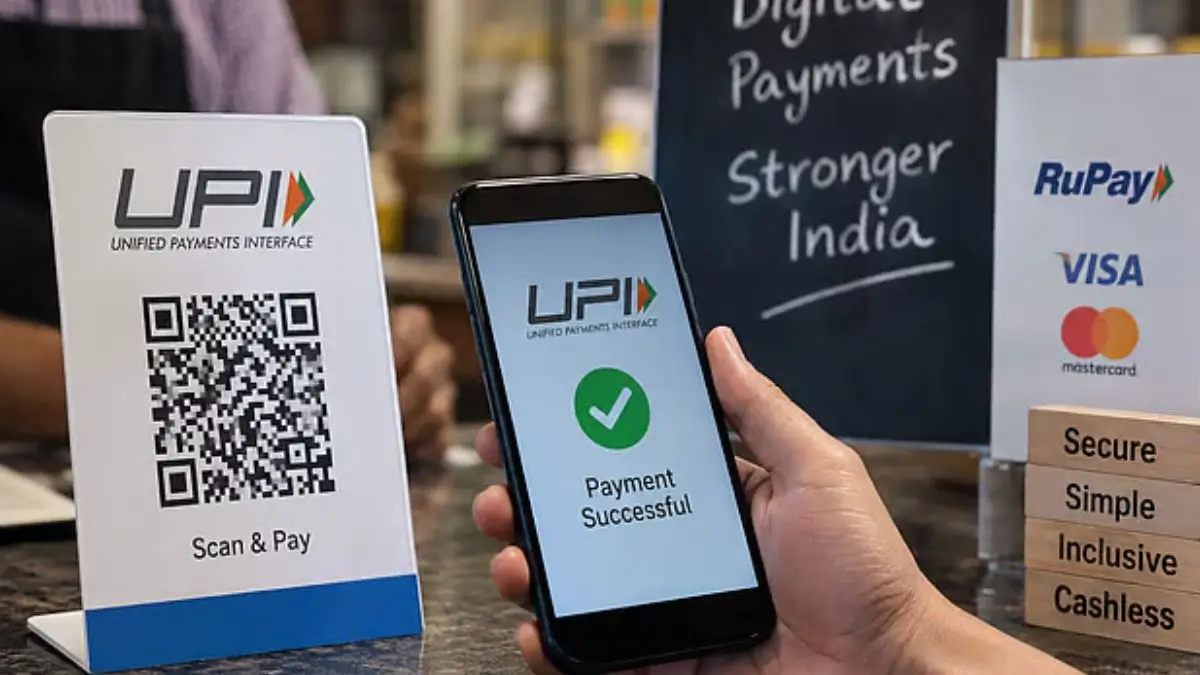 NPCI Defers 0.4% MDR on Select UPI Trans...
 SEBI Credit Risk-o-Meter for Bonds: Six ...
 RBI Raises Daily CRR Maintenance Require...