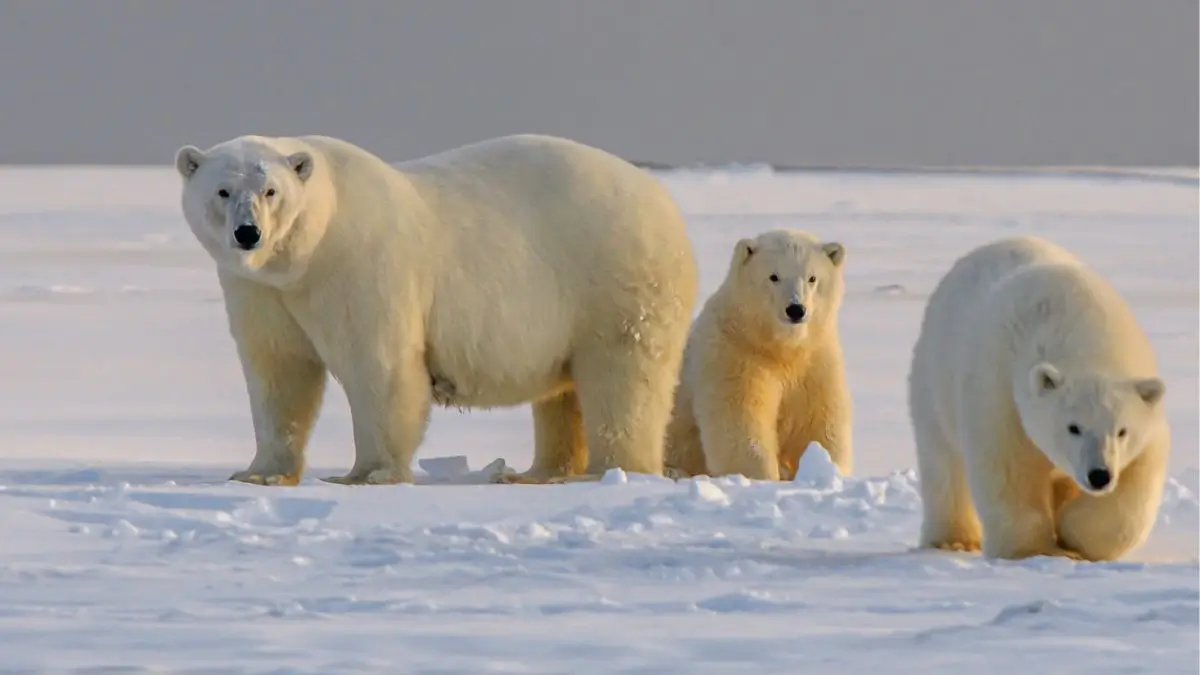
The Bears are among the most fascinating mammals on the Planet Earth. From the icy Arctic wilderness to the dense temperate forests, these powerful animals have adapted the planet’s harshest environments. While their fluffy appearance often makes them look harmless but bears are among the strongest predators in the wild.
Today, there are several bear species faces the growing threats from habitat loss, climate change, and human activity. Yet some countries are continue to supports the large and healthy bear populations.
So, Do you know which country has the most bears in the world?
The answer is the United States and it is home to more than 456,000 bears and with this it is the global leader in bear population.
Which Country Has the Largest Bear Population in the World?
The United States has the highest bear population on the Earth, with an estimated around 456,800 bears. This includes the black bears, brown bears, grizzly bears and polar bears.
A significant portion of these bears live in the Alaska, which contains some of the largest remaining wilderness areas in the North America. The state’s vast forests, mountains and tundra provides the ideal habitats for the multiple bear species.
The United States is followed closely by the Canada, which is also supports the enormous bear population.
Top 10 Countries with the Largest Bear Population
Based on the available wildlife estimates, below countries host the highest bear populations in the world.
| Country | Total Bear Population |
| United States | 456,800 |
| Canada | 422,500 |
| Russia | 131,800 |
| China | 29,000 |
| Japan | 21,200 |
| Romania | 13,000 |
| India | 7,220 |
| Greenland | 4,400 |
| Norway | 3,600 |
| Sweden | 2,800 |
These figures includes the populations of the brown bears, black bears, and polar bears depending on the species present in the each country.
Why the United States Has So Many Bears
The United States have the leading position largely to the its thriving black bear population. More than around 400,000 black bears live across the country.
In addition, Alaska alone supports the tens of thousands of brown bears and grizzlies. This state also hosts a smaller but important population of the polar bears along its Arctic coastline.
It is large protected wilderness areas, national parks and conservation efforts have helped to maintain the stable bear populations in many regions.
Canada: The Polar Bear Capital of the World
Canada ranks second worldwide with more than 422,000 bears.
The country is especially famous for the its polar bears. Wildlife experts estimate that nearly 60 percent of the world’s polar bears live in the Canada’s Arctic regions.
Canada’s extensive forests also support the world’s one of the largest black bear populations and it making one of the most important countries for bear conservation.
Russia: Home to the World’s Largest Brown Bear Population
Russia also occupies the third position with around 131,800 bears.
The country’s vast Siberian forests contain around the 120,000 brown bears which makes Russia as the global center for this species.
In fact, Russia’s brown bear population is larger than that of the any other country.
Where Are Polar Bears Found?
Polar bears are found primarily in the Arctic regions which surrounding the North Pole.
Countries with the notable polar bear populations includes the,
- Canada
- Greenland
- Russia
- Norway
- United States (Alaska)
Among these countries, Canada supports the largest polar bear population by a considerable margin.
Bear Species Facing Conservation Challenges
Not all the bears are thriving. There are several species are currently facing the significant conservation concerns.
Polar Bears
Polar bears are classified as the vulnerable because climate change is rapidly reducing the Arctic sea ice which they depend on for hunting seals.
Sun Bears
It is native to the Southeast Asia, sun bears are threatened by the deforestation, illegal wildlife trade and habitat fragmentation.
Other Threats
Across the world, bears faces the challenges such as the,
- Habitat destruction
- Human-wildlife conflict
- Poaching
- Climate change
- Expanding urban development
Conservation programs in the many countries aim to protect the bear habitats and ensures the long-term population stability.
Interesting Facts About Bears
Bears possess the several remarkable traits which makes them unique among mammals.
- Bears belong to the family of Ursidae.
- They are closely related to the seals and walruses through evolutionary history.
- Polar bears are the largest land carnivores on the Earth.
- Black bears are also excellent climbers and swimmers.
- Brown bears can run surprisingly fast and reaching the speeds of up to 50 km/h.








 Guava Capital of India: Which Place Is K...
 7 Most Beautiful Train Stations in the W...
 World Architecture Day 2026: 8 Clever Fe...