

In a significant development aimed at enhancing the operational capabilities of the Indian Navy, the Central Government has granted its final approval for a pivotal project to construct five fleet support ships. These vessels, designed to serve as vital logistical lifelines, will play a crucial role in replenishing warships with essential supplies including fuel, food, and ammunition during missions.
Indigenous Construction for Strategic Autonomy
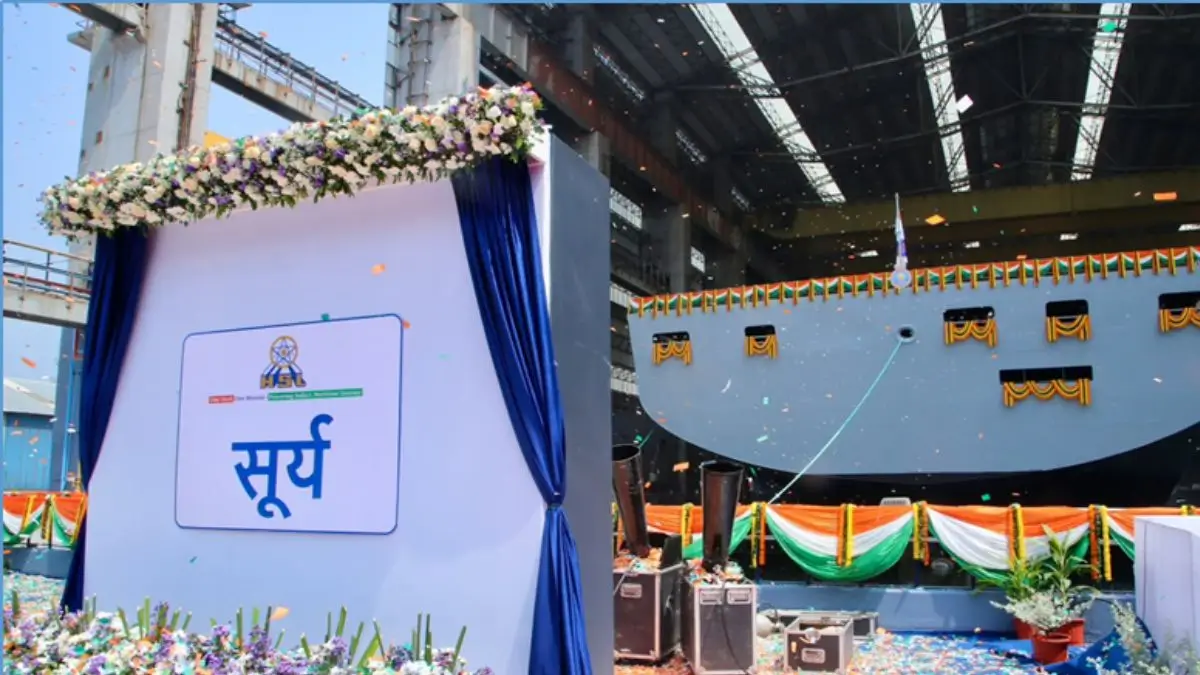
The responsibility for constructing these crucial fleet support ships has been entrusted to the Visakhapatnam-based Hindustan Shipyard Limited (HSL), a flagship enterprise under the defense ministry.
By opting for indigenous construction, the Indian Navy is not only reinforcing its operational capabilities but also contributing significantly to the government’s vision of self-reliance. This decision aligns with the broader goal of reducing dependence on foreign imports and bolstering domestic industries.
Economic Impetus and Job Creation
Beyond its military significance, the project is set to deliver substantial economic benefits. The creation of thousands of new jobs over an extended period will inject fresh energy into the workforce, fostering growth and prosperity. The ripple effect of this venture will extend to industries aligned with the project, further solidifying India’s position as a strategic maritime player.
Enhancing Operational Readiness
At the heart of this initiative lies the primary objective of ensuring the continuous operational readiness of the Navy’s diverse fleet during operations. The fleet support ships, with their capacity to provide crucial supplies such as fuel, food, ammunition, and spare parts, will play a pivotal role in maintaining the combat effectiveness of warships across different fleets. This capability is essential for conducting extended missions and responding effectively to dynamic maritime challenges.
Projected Timeline and Specifications
Hindustan Shipyard Limited is slated to deliver all five ships within an estimated timeframe of eight years. Each ship will boast an impressive weight of around 45,000 tonnes, highlighting their robust construction and capacity. HSL’s nomination by the Indian Navy to undertake the construction of these fleet support ships speaks volumes about the shipyard’s competence and capacity to execute such a critical project.
Key takeaways for competitive examination
- Chairman of Hindustan Shipyard Limited: Hemant Khatri









 WWF Living Planet Report 2026: Monitored...
 India’s First 3D-Printed Rural Housing...
 India Unveils First Fleet Support Ship â...










