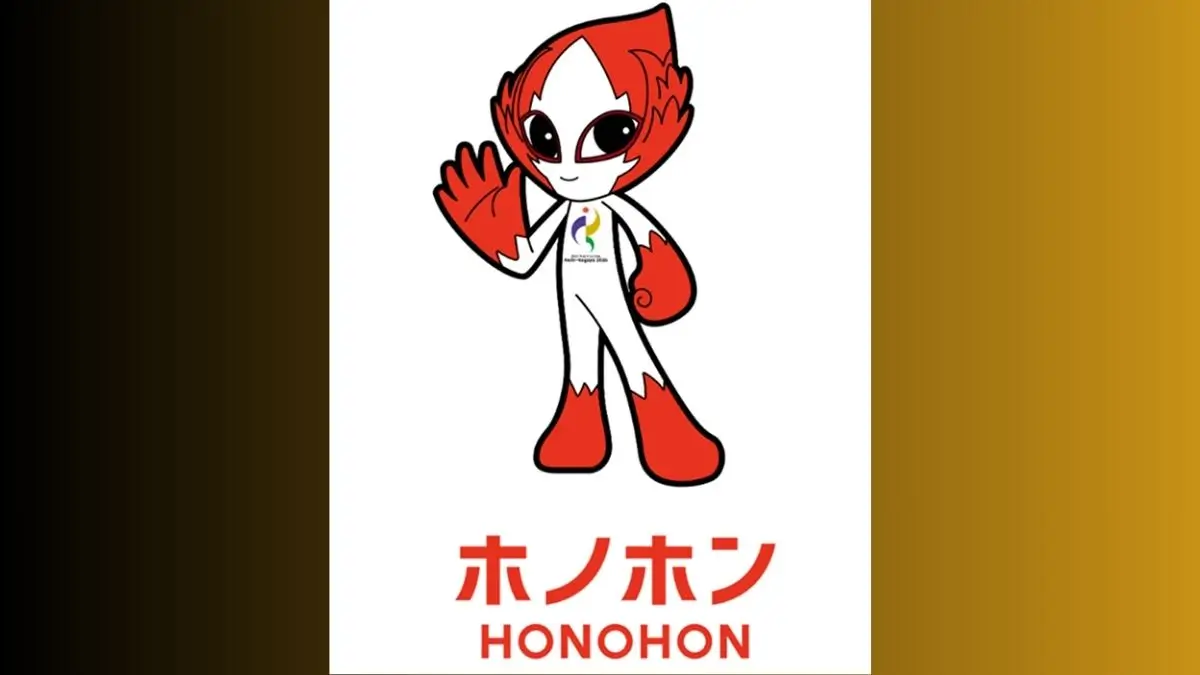
HONOHON is the official mascot of the 20th Asian Games Aichi-Nagoya 2026 that will take place in Japan from 19 September to 4 October 2026. This mascot is based on the idea of passionate attitude of athletes and its fusion with Shachihoko, the traditional symbolic guardian of Aichi-Nagoya. Its red color, big eyes, ears like those of Shachihoko, and design inspired by Kabuki combine sport with the cultural heritage of the host region. HONOHON is an essential current-affairs point of information for those who prepare for competitive exams.
Who Is HONOHON?
HONOHON is the official mascot of the 20th Asian Games. The mascot was created to personify the passion and enthusiasm of the athletes participating in the sports competition across Asia.
According to the description, HONOHON was born in the hearts of athletes. HONOHON’s purpose is to unite people at the Aichi-Nagoya Games following the Games’ slogan:
The name HONOHON derives from the word “Honoho” which means “flame” in Japanese. The symbol refers to the image of burning high and bright fire looking like an ear of rice.
HONOHON Mascot: Key Fact
- Name of Mascot: HONOHON
- Event: 20th Asian Games
- Host: Aichi-Nagoya, Japan
- Age: Newly born
- Gender: None
- Favourite colour: Red
- Place of birth: Inside the hearts of athletes
- Special skill of Mascot: Can magically produce imagined sounds
- Personality: Curious and hardworking
- Weakness: Gets sleepy after working too hard
- Goal: Learn all sports events before the Games
- Mission: Unite people through the Games
What Does the HONOHON Symbol Represent?
There are some design aspects of HONOHON associated with the culture and sport spirit of Aichi-Nagoya region.
The big eyes of the mascot represent its ability to see the athletes participating in games in Asia. The ears of HONOHON resemble those of the Shachihoko and are believed to listen to children’s laughter and cheers of the crowd in all Asia.
There is also Kumadori red makeup on the mascot’s eyes. It represents the Kabuki theatre of Japan and connects HONOHON with the cultural heritage of the region.
Connection With Kabukimono
The idea behind HONOHON represents the Kabukimono of the region. These eccentric samurai were interested in scholarship, martial arts and the arts.
Kabuki inspired facial design of the mascot thus represents the cultural aspect of Japan.
What Is Special About HONOHON?
It should be noted that HONOHON is not just a visual symbol but an athlete, supporter and cheerleader for the Asian Games.
The special ability of HONOHON is rather interesting as the character can produce various sounds imagined and cannot speak normally.
Mascot Creator of the Asian Games 2026
The creator of the mascot is a graphic designer named Yoshiyuki Nakagawa from Nagakute City, Aichi Prefecture.
He was born in 1973 in Shiga Prefecture and graduated from the Department of Design at Nagoya Zokei University in 1996. He opened his own design studio in 2005 and was an exhibitor in various international exhibitions of posters and graphic designs.
Among his awards is the Excellence Design Award at the 11th Asian Graphic Design Triennial in 2021.
When Is the Asian Games 2026?
The 20th edition of the Asian Games will be organized in Aichi-Nagoya, Japan from September 19 to October 4, 2026.
The Opening Ceremony will be conducted on September 19, and the Closing Ceremony on October 4. Many athletes will compete in numerous disciplines of sports.








 Which Are 3 Biggest Dams in Bihar? Know ...
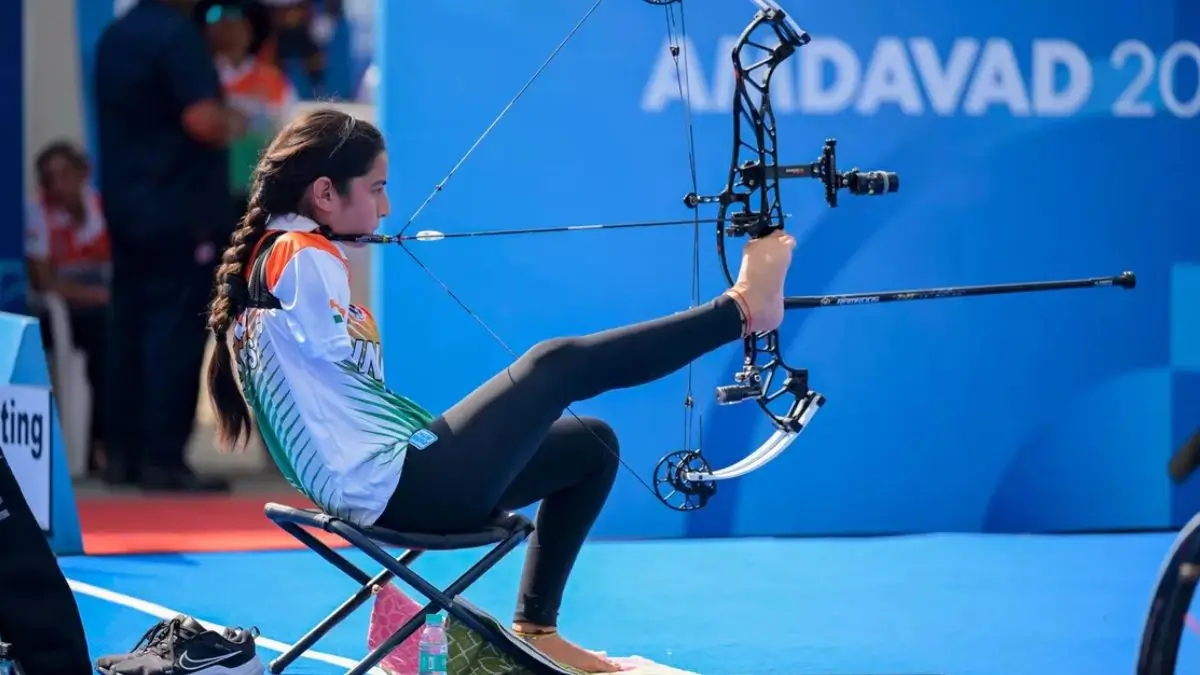 Sheetal Devi Wins First Individual Gold ...
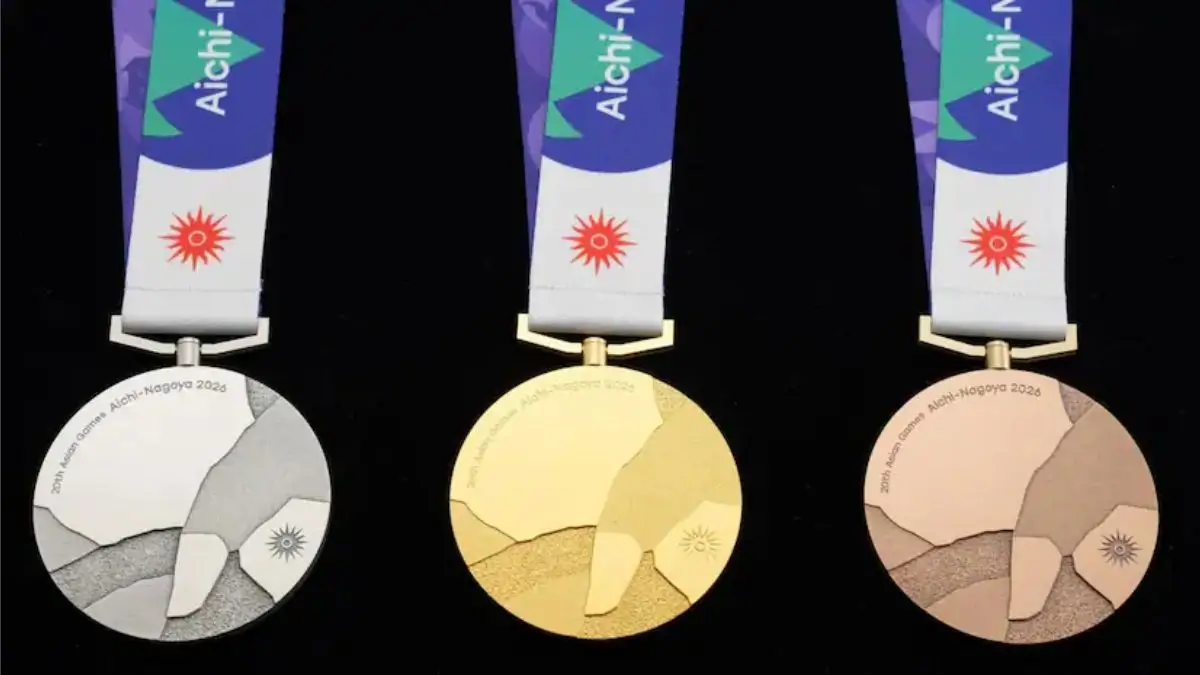 Asian Games 2026 Medals: Design, Materia...