
Germany Slips into Recession
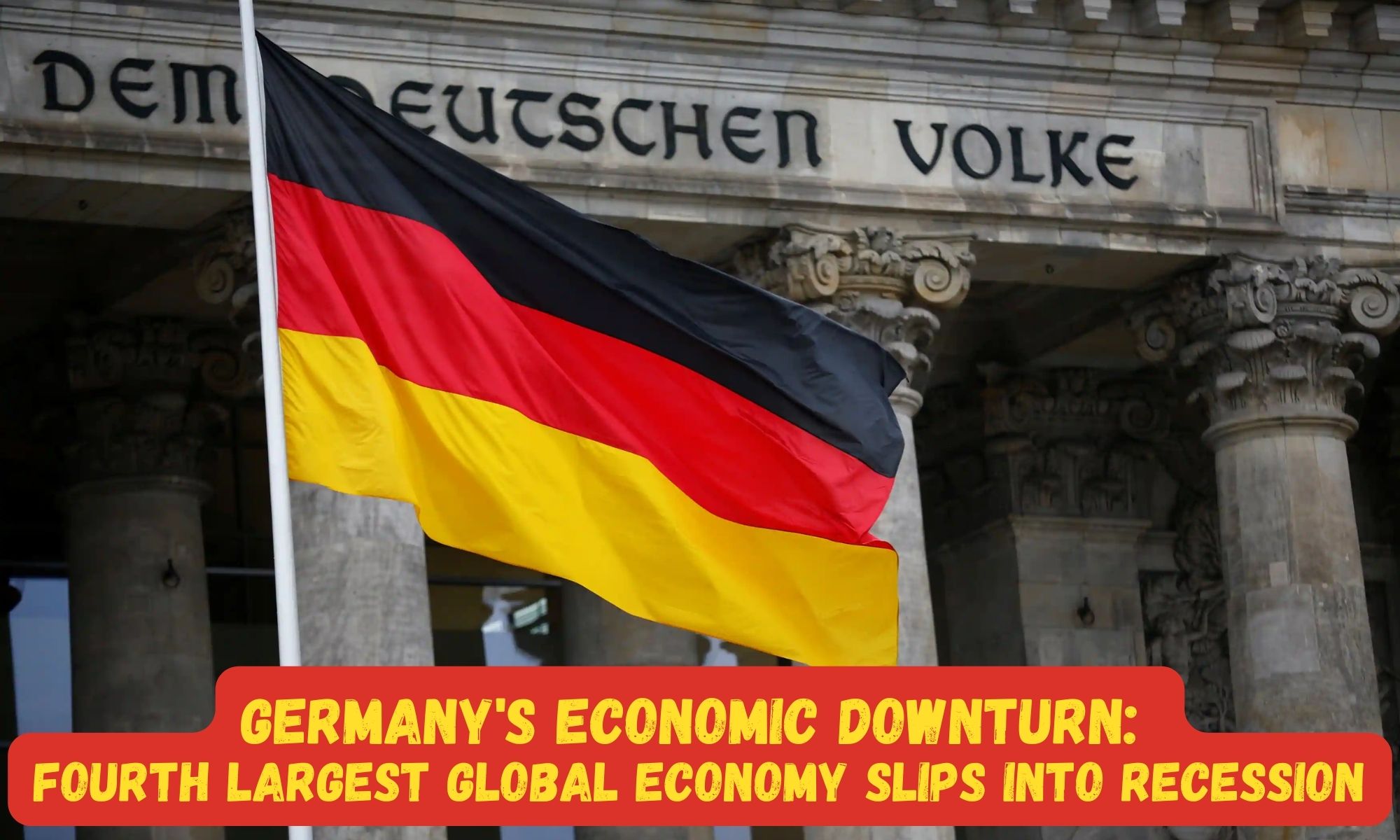
Germany, the fourth largest economy in the world, is currently facing a recession due to a decline in the Euro and an unexpected contraction in the economy during the first three months of 2023. This contraction, marking the second consecutive quarter of decline, meets one definition of a recession.
Buy Prime Test Series for all Banking, SSC, Insurance & other exams
Germany Slips into Recession: Key Points
- According to data released by the Federal Statistical Office, Germany’s gross domestic product (GDP) decreased by 0.3 percent between January and March.
- This follows a 0.5 percent decline in the previous quarter, making it the largest economy in Europe to experience a downturn.
- While a recession is typically defined as two consecutive quarters of contraction, economists on the euro area business cycle dating committee consider a broader range of data, including employment figures.
- Germany is among the 20 countries that use the Euro currency.
- Although employment in the country increased during the first quarter and inflation has eased, the prospect of higher interest rates will continue to impact spending and investment.
- Franziska Palmas, a senior Europe economist at Capital Economics, noted that Germany has undergone a technical recession and has been the weakest performer among major eurozone economies in the past two quarters.
- Palmas predicts further weakness in the future.
- The German government received a setback as the latest figures show that its bold decision to double the growth forecast for this year has been undermined.
- The anticipated energy crisis during the winter did not materialize, leading to the initial prediction of a 0.2 percent expansion in late January being raised to 0.4 percent. However, these figures may now need to be revised downward.
Reasons for Recession in Germany
- Economists have attributed the decline in consumer spending to high inflation, with prices in April being 7.2 percent higher compared to a year ago.
- While GDP represents the overall value of goods and services produced in a country, some experts question its usefulness as an indicator of economic prosperity since it does not differentiate between different types of spending.
- The eurozone economy experienced minimal growth of 0.1 percent in the first quarter, according to initial estimates, as inflation has eroded people’s willingness to spend due to stagnant wages.
- The United States has also reported disappointing growth estimates, fueling concerns about a potential recession in the world’s largest economy.
However, the International Monetary Fund recently revised its prediction for the United Kingdom, stating that it is expected to avoid a recession this year. Previously, the UK was expected to be one of the worst-performing countries among the Group of Seven leading industrial nations.
Also Read: Tayyip Erdogan re-elected as President of Turkey
Find More International News Here










 Which Countries Are in the Race for the ...
 DRDO Successfully Tests Quantum Key Dist...
 India’s Internet Subscribers Cross 1.1...










