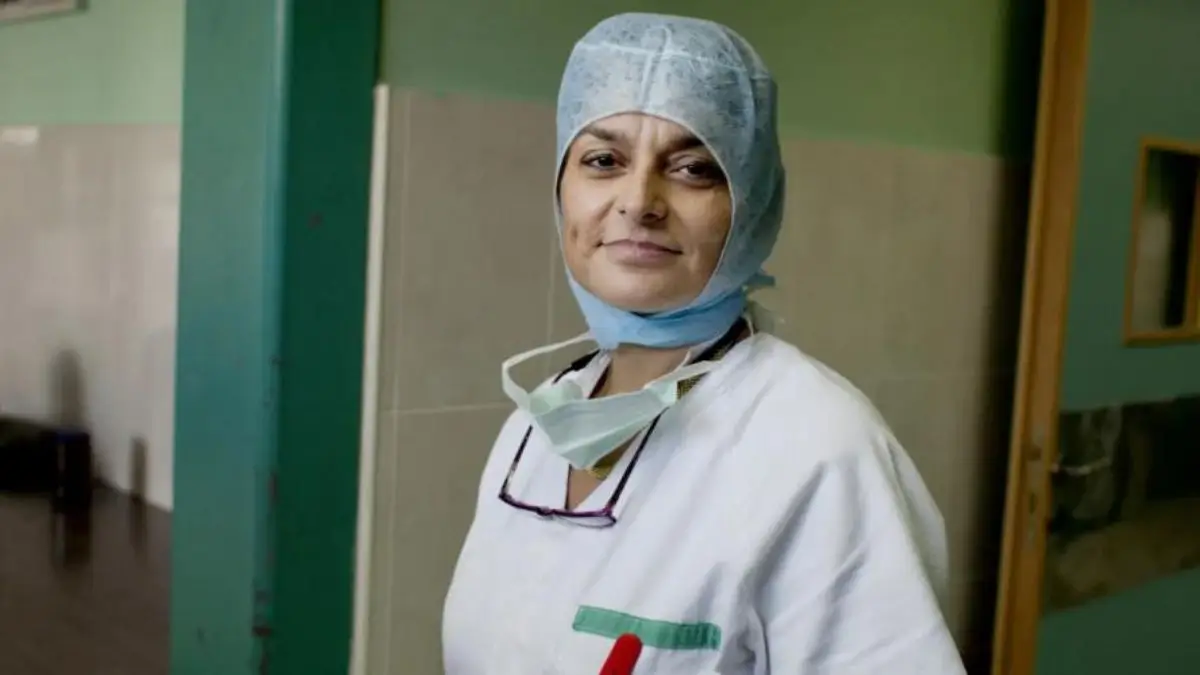
International Day of Care and Support is marked each year on 29 October in order to acknowledge the role of paid and unpaid care work within families, societies and economies. Declared by the United Nations General Assembly in 2023, the day underscores the necessity of creating care systems that are resilient and gender responsive. Theme for the year 2026 revolves around decent work for care workers and the importance of just wages, labor rights, and safety at workplace.
History of the International Day of Care and Support
On the 24th of July 2023, The United Nations General Assembly passed a resolution, which under A/RES/77/317 and declared the 29th of October as the International Day of Care and Support.
The observance of this day is important in the context of gender equality, sustainable economies, and social welfare.
As per the resolution, investments should be made in a care system that responds to gender needs, respects human rights, and takes into consideration the special needs of disabled and elderly people.
The observance is also cordinated by the following,
- UN Women – United Nations Entity for the Gender Equality and the Empowerment of Women
- OHCHR – Office of the United Nations High Commissioner for the Human Rights
- ILO – International Labour Organization
What Is the Care Economy?
The care economy is defined as both the paid and unpaid activities that meet people’s physiological, psychological, and social requirements. They include health services, child care, education, elder care, disability services, and domestic services.
There are two types of care activities,
Type and it’s Examples
- Direct care: Services which involve personal interaction to help another person Nursing patients, feeding children, and helping elders
- Indirect care: The services done to ensure the smooth running of a home or activities in our daily life Cooking, cleaning, and other housekeeping
- Paid care activities: Care services done for payment Nurses, doctors, teachers, and paid domestic workers
- Unpaid care activities: Care services done without payment Family care and unpaid domestic services
Decent work and gender equality
The majority of unpaid care work is performed by women, keeping them from entering paid employment and from receiving education and promotions.
According to the UN, women perform 76.2% of unpaid care work globally which means that they are engaged in such work 3.2 times more in comparison to men. Furthermore, women working in the health and care industry earn about 24% less than their male counterparts.
The theme for 2026 is “Building sustainable care and support systems through decent work.” It stresses out the importance of improving wages, labor rights, safety at work, and representation of paid caregivers.








 Vigilance Awareness Week 2026: Theme, Da...
 Indo-Tibetan Border Police (ITBP) Raisin...
 World Polio Day 2026: Date, Theme, India...