There are very few places in the world where the people speaking different languages, follow the different traditions and celebrates different festivals live together so naturally that the city itself begins to represent an entire nation. As we all know that India has diverse culture, languages, traditions, festivals and it keep changing after you travel some distance and you can experience it.
In India there is one city which has earned a special nickname because it reflects the culture, lifestyle, food and diversity of almost every Indian state. From crowded food streets to the colorful festivals and multicultural neighborhoods this city feels like a smaller version of the whole country.
Over the years this identity has became so strong that people across India started calling it ‘Mini India.’ Interestingly the main reason behind this title is deeply connected with migration, history, culture and national unity.
Which City is Called the Mini India?
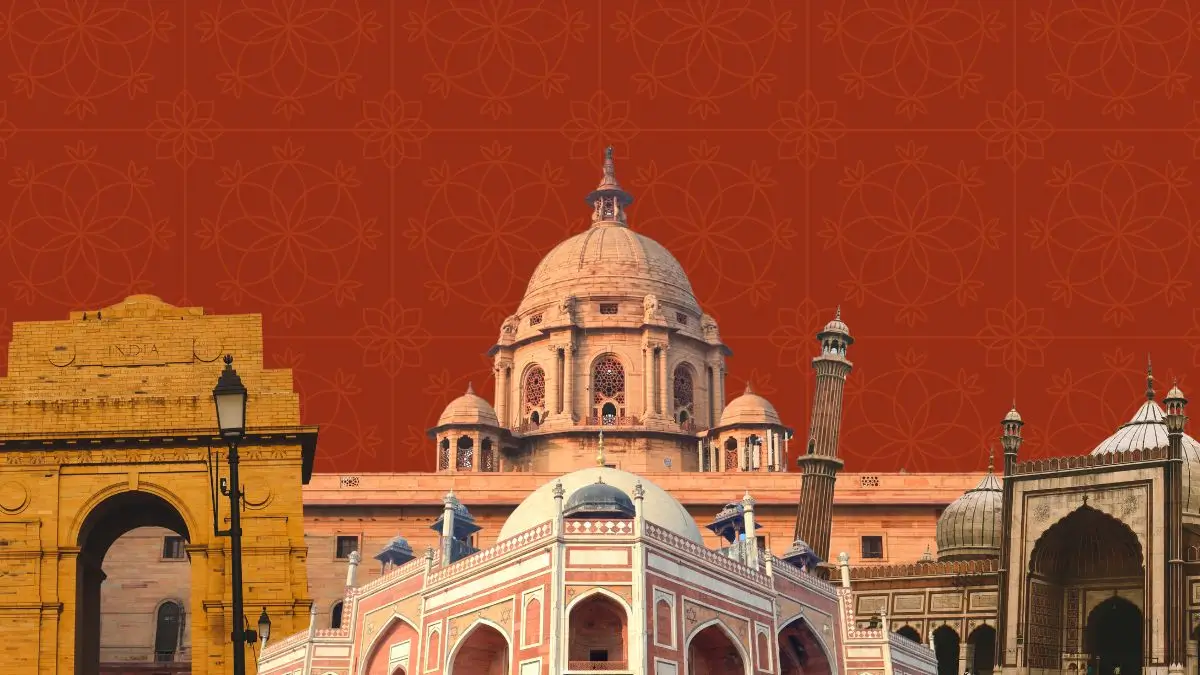
In India Delhi is popularly known as ‘Mini India’ because people from almost every state from India and community live in the national capital.
The city represents the traditions, food habits, festivals, languages and lifestyles of the different parts of India in one place. This cultural diversity gives the edge to Delhi as unique identity unlike any other Indian city.
From north Indian traditions to South Indian cuisine and northeastern culture Delhi showcases the every shade of India together.
Why Delhi Earned the Name ‘Mini India’
Delhi became known as the Mini India because of its multicultural population. People from all the corners of the country has been migrated here for jobs, education, business and government services.
As different communities settled in different areas which have brought their own customs, food, festivals and traditions along with them.
Over the time Delhi has transformed into a city where every Indian culture could be experienced together.
Today the city reflects the real meaning of ‘Unity in Diversity’ which is one of the India’s strongest cultural identities.
A City Where Every Festival Feels Like a National Celebration
One of the main reasons behind the Delhi’s Mini India identity is the way festivals are celebrated here.
Diwali lights up the city with the grand celebrations, while the Eid markets become crowded with festive shopping and food.
During the Christmas, churches and markets are beautifully decorated across Delhi.
At the same time people celebrate the Pongal, Baisakhi, Lohri, Durga Puja, Chath Puja and Gurpurab with equal enthusiasm. This cultural harmony makes the Delhi truly unique.
Delhi’s Food Culture Feels Like Travelling Across India
Delhi’s food part itself explains why the city is called Mini India.
A person can enjoy the Punjabi chole bhature in one market and South Indian dosa in another. From Bengali sweets, Mughlai kebabs, Rajasthani snacks to northeastern dishes are all easily available across the city.
Areas like the Old Delhi, CR Park, INA Market and Majnu Ka Tila showcase the cuisines from different Indian communities.
Food lovers often describe Delhi as the culinary map of India.
Role of Migration in Delhi’s Diversity
Delhi’s multicultural identity became stronger after the India’s Independence in 1947.
After the Partition, thousands of families moved to Delhi and settled permanently. Later the rapid economic growth and educational opportunities attracted people from states like Punjab, Bihar, Uttar Pradesh, Tamil Nadu, Kerala, Assam and West Bengal.
This continuous migration has shaped Delhi into one of India’s most diverse urban centres. Even today a large part of Delhi’s population consists of migrants from different states.
Different Areas of Delhi Reflect Different Cultures
Also the several neighborhoods in Delhi are famous for representing the specific regional communities.
CR Park is widely known for Bengali culture and Durga Puja celebrations. Majnu Ka Tila also reflects the Tibetan influence, while Rajouri Garden and Karol Bagh are strongly connected with Punjabi culture.
Similarly the INA Market is popular for northeastern products and food items. These areas make the Delhi feel like many Indian states existing together within one city.




 UNESCO World Heritage Sites of India - D...
 Jamnagar Refinery: Why India's Oil Hub M...
 UNESCO World Heritage Sites of India - D...