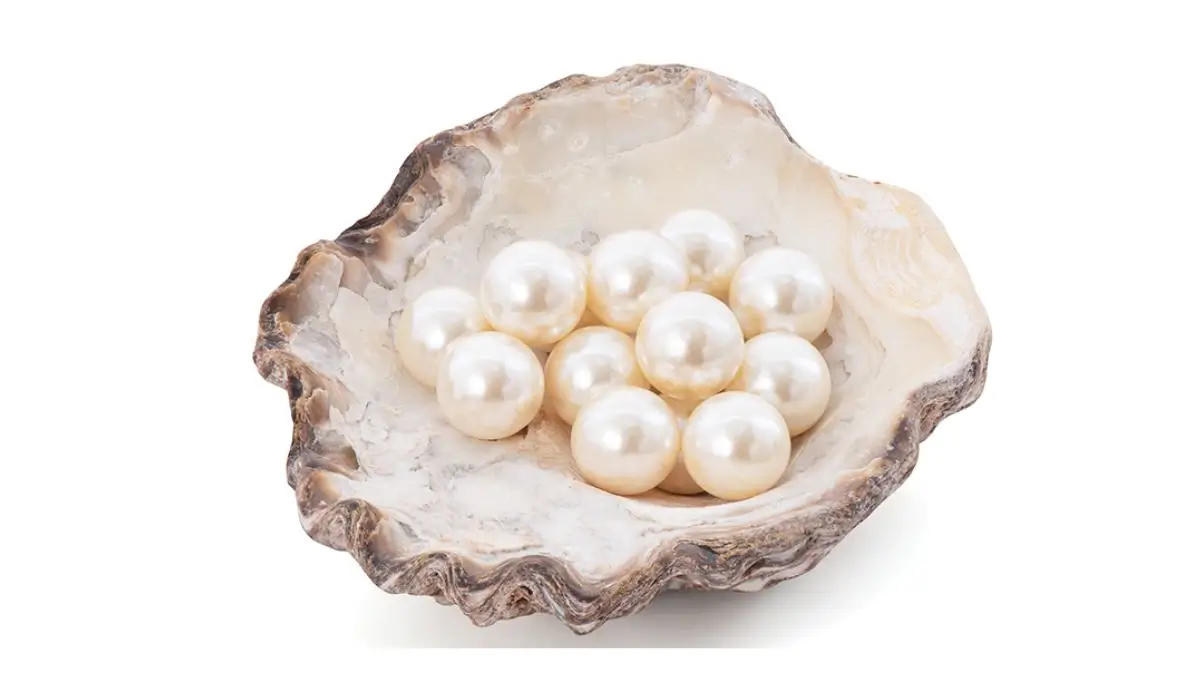
The Hazaribag district in the state of the Jharkhand is set to emerge as the India’s first and only pearl farming cluster. This initiative is driven by fisheries department with support from the government to promote the scientific aquaculture and create employment. With a focus on women participation this project aims to transform Hazaribag into the national model for sustainable and profitable pearl farming.
Hazaribag Identified as India’s First Pearl Cluster
The Hazaribag district has been officially identified by the Government of India as the country’s only pearl farming cluster. This recognition is based on the region’s favorable water sources and potential for aquaculture development. This fisheries department is actively working to develop the district into the model pearl hub and to maximize the output and income.
Government Push: Building a Model Pearl Farming Hub
The fisheries director Amarendra Kumar have inspected the ongoing projects to ensure effective implementation.
The government is also preparing the phased development plan which is focuses on,
- Expanding the pearl farming activities to more farmers.
- Also introducing the modern cultivation techniques.
- And creating the direct market linkages for better income.
This structured approach aims to make the pearl farming as a sustainable and scalable livelihood option.
Women at the Centre
AThe main highlight of the initiative is the active involvement of the women self-help groups (SHGs).
In the areas like Daurwa-Kundwa women are trained in the pearl farming and encouraged to participate in the income-generating activities.
Also the officials have also proposed the formation of an all-women Farmer Producer Organization (FPO).
This move is expected to enhance the women’s financial independence, strengthen rural entrepreneurship and to promote inclusive economic growth.
The focus is also on women-led initiatives makes the project socially impactful as well as economically beneficial.
Integration with Cage Culture at Tilaiya Reservoir
The project is not just limited to pearl farming alone. The officials have also explored the integrated aquaculture models at the Tilaiya Reservoir.
Here the pearl farming is being combined with cage fish culture which will allowing the farmers to diversify their income sources.
And this integrated approach improves the productivity and ensures better utilization of water resources.
Also the such innovations are expected to increase profitability and resilience for farmers.
Why Pearl Farming Matters for Rural Development
The pearl farming is emerging as the high-value, low-investment activity as it has strong market demand.
Key Benefits
- It generates employment for the rural youth.
- It also provides the additional income to farmers.
- And promotes the scientific use of water bodies.
- It will support the export potential in luxury markets.
What is Pearl Farming?
The Pearl farming involves to cultivating pearls by inserting a nucleus into the oysters and nurturing them in controlled water conditions.
Types of Pearls
- Freshwater pearls
- Saltwater pearls
Key Requirements
- The clean water bodies
- And the suitable oyster species
- Technical knowledge and training








 PM-VBRY Scheme: EPFO Offers Up to ₹15,...
 Global Hunger Index 2026: India Ranks 10...
 Sudhakar Dalela Appointed as India’s N...