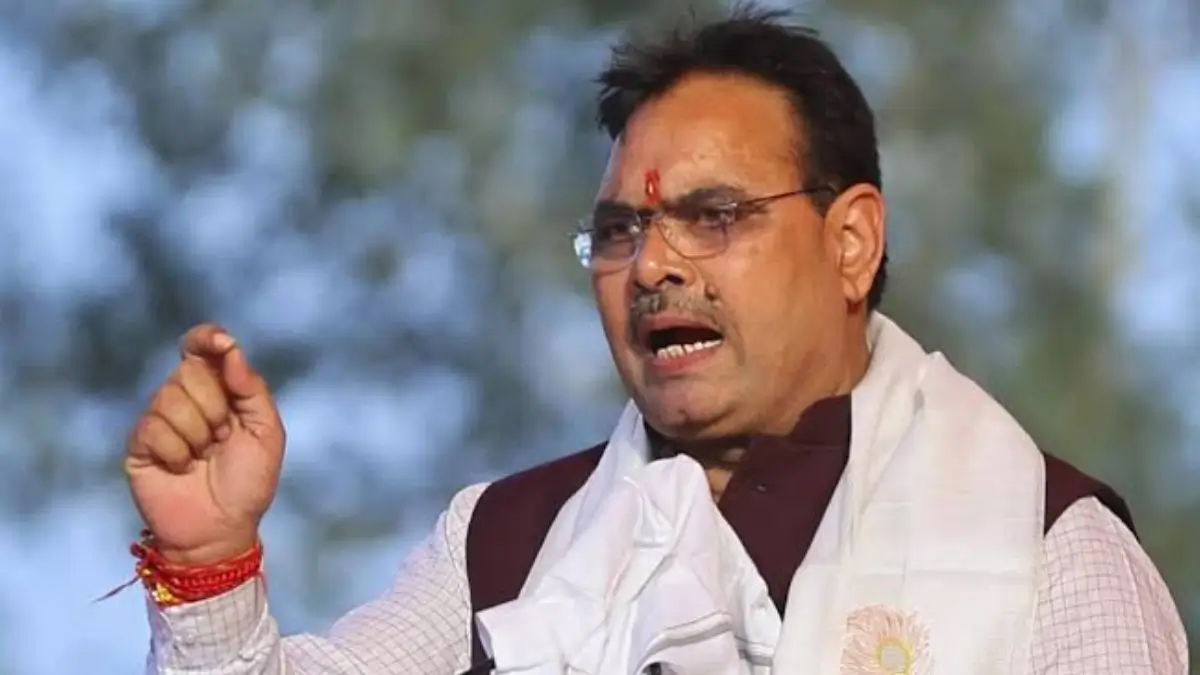
The State government of Rajasthan has constituted a five-member committee to prepare a draft law for the Uniform Civil Code (UCC). It will be chaired by the former Supreme Court judge Ranjana Prakash Desai and this panel will engage with the citizens, legal experts, community representatives and the social organizations before finalizing recommendations.
What Happened?
The Rajasthan government has officially established the five-member committee and given task to preparing the draft Uniform Civil Code for the state.
This committee will be headed by the Respectable Justice Ranjana Prakash Desai, a former judge of the Supreme Court of India.
According to state government officials, this panel will conduct the extensive consultations before submitting its final recommendations.
To ensure the wider participation, the committee will travel across divisional headquarters in the Rajasthan and interact with multiple stakeholders.
The government also plans to launch a dedicated website through which citizens can submit their suggestions and opinions.
What Is a Uniform Civil Code?
A Uniform Civil Code refers to a common set of the civil laws which directly apply equally to all citizens, irrespective of their religion, caste, or community.
Currently, the personal laws governing issues such as the,
- Marriage
- Divorce
- Adoption
- Inheritance
- Succession
often vary across the religious communities.
UCC seeks to replace these separate personal laws with the single set of the legal framework which is applicable to everyone.
The concept of the UCC finds mention in the Article 44 of the Directive Principles of State Policy in the Indian Constitution an it states that the State shall endeavor to secure the Uniform Civil Code for citizens throughout India.
Key Objectives of Rajasthan’s UCC Initiative
The Rajasthan government has indicated the several objectives behind the proposed legislation.
- Ensuring Gender Equality
- Promoting Legal Uniformity
- Enhancing Transparency
- Simplifying Legal Procedures
Why Public Consultation Is Important
One of the most important aspects of the Rajasthan’s approach is its strong emphasis on the public consultation.
The committee will seek views from the,
- Legal experts
- Religious leaders
- Women’s organizations
- Social groups
- Community representatives
- Ordinary citizens
This consultative process also aims to gather the diverse perspectives before any recommendations are finalized.
Public participation is considered particularly important because personal laws often involves the cultural, social and religious practices which directly affects the people’s lives.
The proposed website for the suggestions is expected to make the consultation process more accessible and inclusive.





 Uttar Pradesh Renames Bhadohi as Sant Ra...
 Gujarat Uniform Civil Code Bill 2026 Get...
 Andhra Pradesh Plans Global Horticulture...