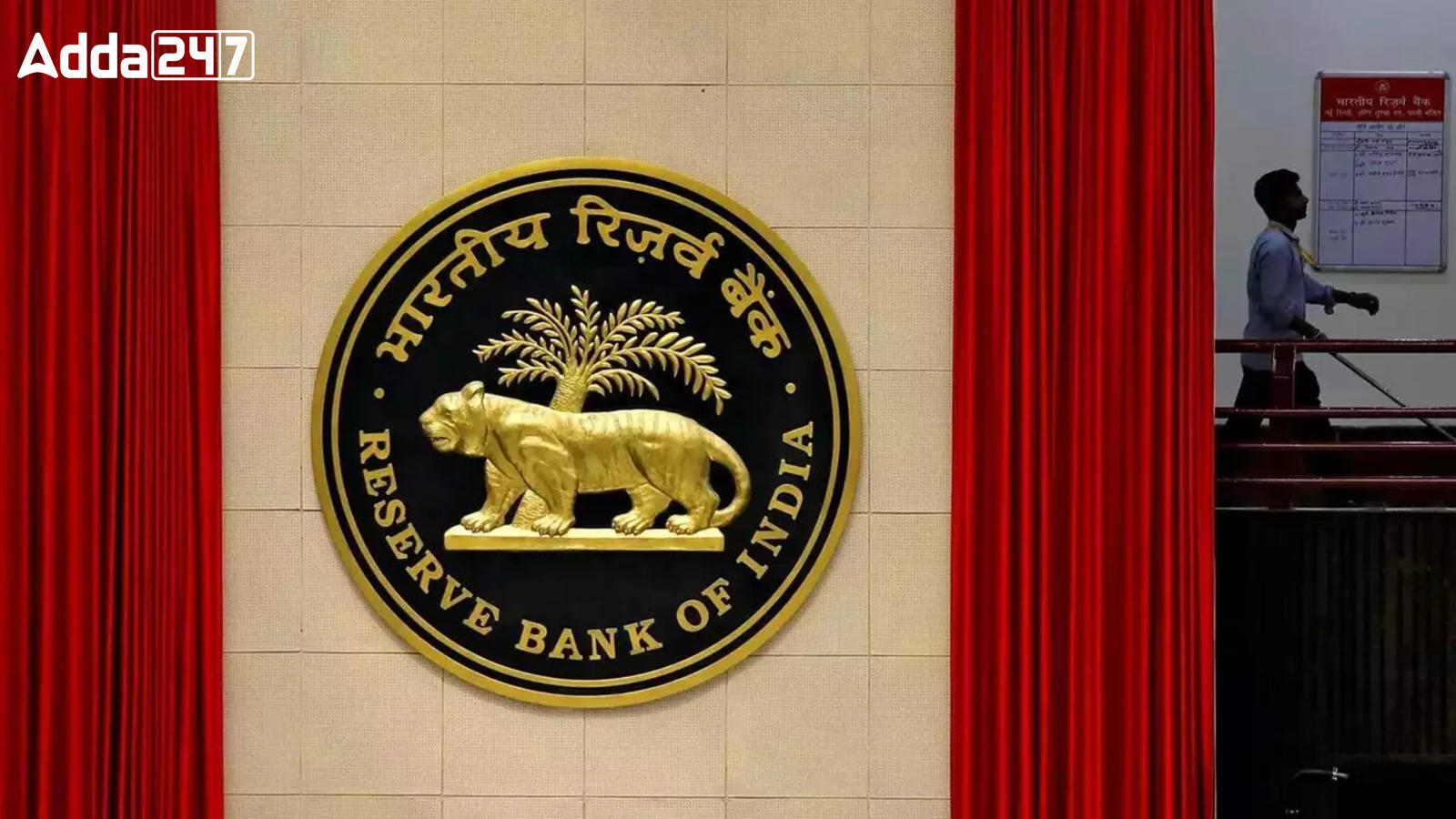
Aurionpro Payments, a subsidiary of Aurionpro Solutions, has received approval from the Reserve Bank of India (RBI) to operate as an online payment aggregator under the Payments Settlements Act, 2007. This authorization allows the Mumbai-based company to offer digital payment services to merchants nationwide through its payment gateway brand, AuroPay.
Details of the Approval
Aurionpro Payments announced on Thursday that it has obtained final authorization from RBI to function as an Online Payment Aggregator. This strategic move positions Aurionpro to expand its footprint in digital payments, catering primarily to banking, mobility, payments, and government sectors.
Market Response
Following the announcement, Aurionpro Solutions’ shares closed at Rs 2,669.40 apiece on the Bombay Stock Exchange (BSE), marking a 4.94% increase from the previous day’s closing price.
RBI: Key Points
Chairman: The RBI is headed by a Governor, who is currently Shaktikanta Das.
Headquarters: The central bank’s headquarters is located in Mumbai, Maharashtra.
Establishment: It was established on April 1, 1935, in accordance with the Reserve Bank of India Act, 1934.
Functions: The RBI regulates the issuance and supply of the Indian rupee, manages the country’s monetary policy framework, and oversees the banking sector’s stability.
Role in Payment Systems: It plays a crucial role in overseeing and regulating payment systems, ensuring their efficiency, safety, and reliability.
Currency Management: The RBI is responsible for the design, production, and distribution of currency notes and coins.
Banker to the Government: It acts as the banker and advisor to the Government of India on economic and monetary policy matters.
Regulatory Authority: The RBI regulates and supervises banks and non-banking financial companies (NBFCs) to maintain financial stability and consumer protection.
Policy Formulation: It formulates and implements policies aimed at promoting economic growth while maintaining price stability.








 Starbucks to Set Up Its First India GCC ...
 Warren Buffett Steps Down After Decades ...
 N Chandrasekaran Reappointed as Tata Son...