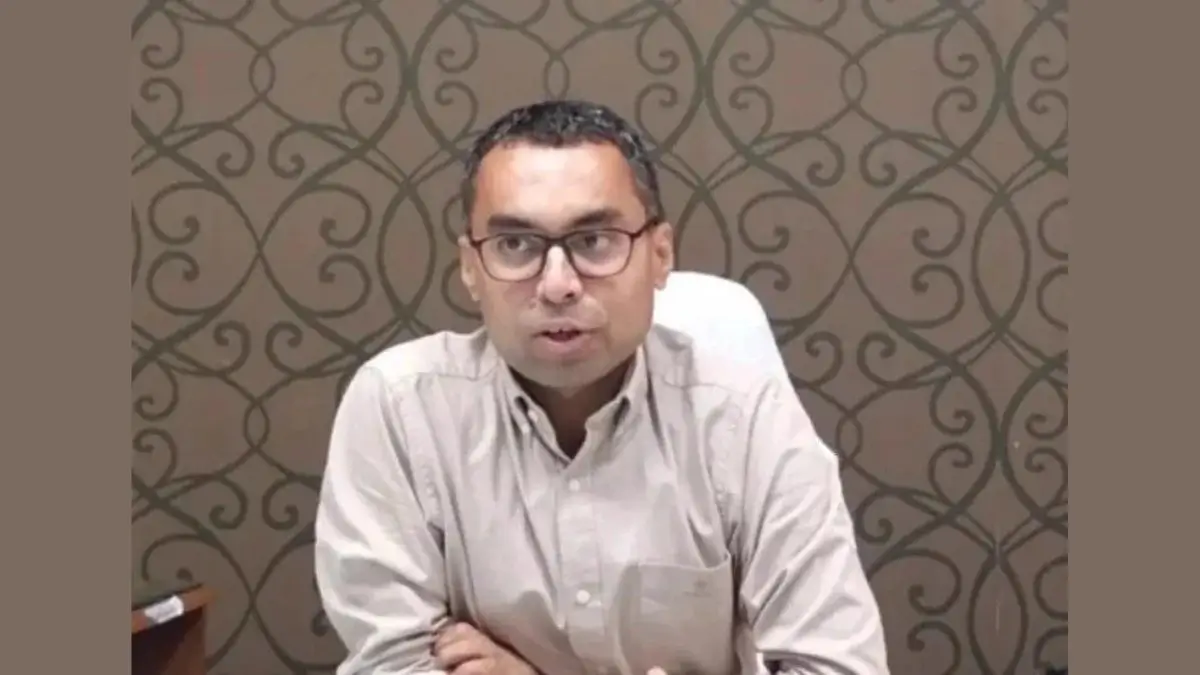
Suvendu Adhikari Named West Bengal Chief Minister After BJP’s Historic Victory

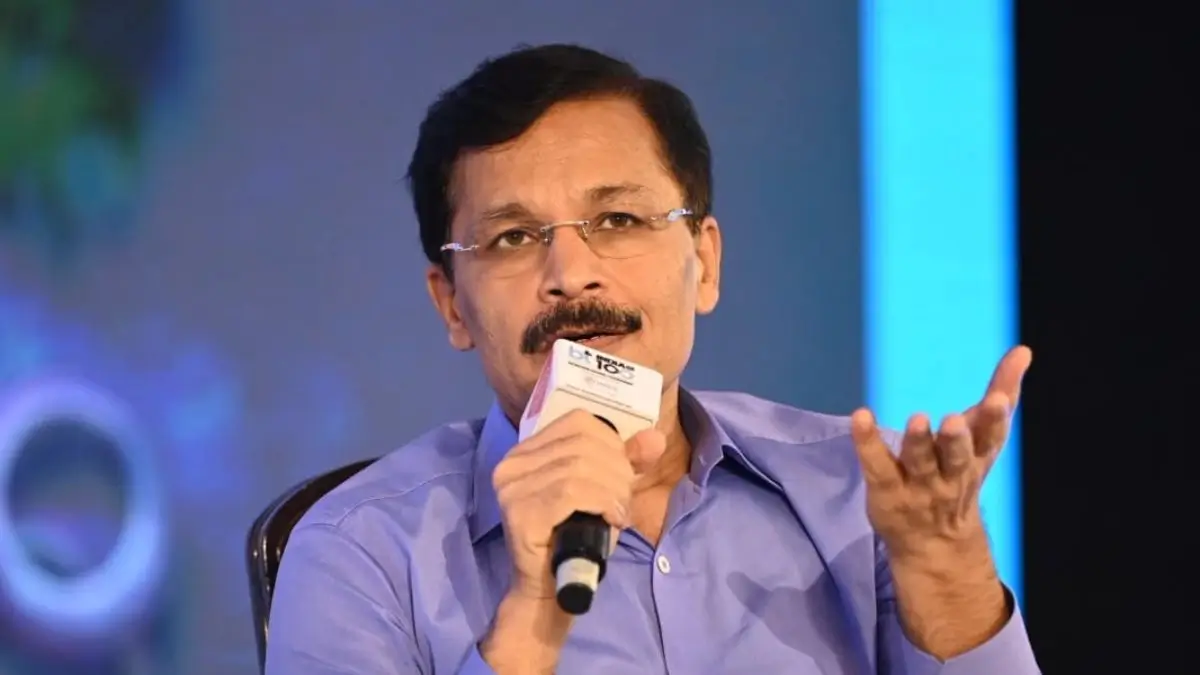
Senior BJP leader Suvendu Adhikari was formally elected as the new Chief Minister of West Bengal following the BJP’s decisive victory in the recently concluded Assembly elections. The announcement was made during the BJP legislature party meeting in Kolkata in the presence of Union Home Minister Amit Shah.

The development marks a major political shift in West Bengal, where the Trinamool Congress (TMC) had remained in power for the last 15 years under Mamata Banerjee.

Why in News?

Suvendu Adhikari has become the face of BJP’s rise in West Bengal after leading the party’s aggressive campaign against the Trinamool Congress. His appointment as Chief Minister comes after the BJP secured a clear majority in the state elections.

The decision was officially announced by Amit Shah during the BJP Legislative Party meeting held in Kolkata.

Key Highlights of Suvendu Adhikari’s Appointment

  • Suvendu Adhikari was elected as Leader of the BJP Legislative Party.
  • BJP ended the 15-year rule of the Trinamool Congress in West Bengal.
  • Amit Shah attended the legislature meeting as the central observer.
  • Odisha Chief Minister Mohan Charan Majhi joined as co-observer.
  • The swearing-in ceremony is scheduled at Brigade Parade Grounds in Kolkata.
  • Prime Minister Narendra Modi and several BJP chief ministers are expected to attend the oath ceremony.

Suvendu Adhikari’s Political Journey

Suvendu Adhikari started his political career in the Trinamool Congress and played an important role in strengthening the party’s organisation in rural Bengal.

However, political differences with Mamata Banerjee led him to join the BJP in December 2020.

Since then, he has emerged as one of BJP’s strongest leaders in the state.

Major Political Milestones

  • Joined BJP in December 2020
  • Defeated Mamata Banerjee in Nandigram in 2021
  • Won Bhabanipur seat by over 15,000 votes
  • Led BJP’s statewide election campaigns

Party leaders reportedly viewed his electoral success and organisational network as major reasons behind his elevation to the top post.

Two Deputy Chief Ministers Likely

Reports suggest that BJP may appoint two Deputy Chief Ministers in West Bengal. One of the positions is expected to go to a woman leader.

Among the names being discussed are:

  • Agnimitra Paul
  • Shankar Ghosh

Interestingly, West Bengal has not had a Deputy Chief Minister for nearly two decades.

Significance of BJP’s Victory in West Bengal

The BJP’s victory is politically significant because West Bengal has traditionally been dominated by regional and Left parties.

Political analysts believe this result may reshape eastern Indian politics ahead of future national elections.

The victory also strengthens BJP’s presence in a state where it had struggled for decades.

Top Government Schemes for Mothers in India, Check the Names

India has taken many important steps to support mothers and their babies. From pregnancy to childbirth and even after delivery, the government runs several helpful programs. These schemes aim to provide proper nutrition, free medical care, financial help, and safe delivery services. All these efforts ensure that mothers stay healthy and children get a good start in life.

Top Government Schemes for Mothers in India

The Government of India runs many helpful schemes for mothers to ensure safe pregnancy, proper healthcare, and financial support. These programs aim to protect both mother and child by providing care before, during, and after childbirth.

Here are the names of top government schemes for mothers in India:

  • Anganwadi Services
  • RMNCH+ A Framework (2013)
  • SUMAN Scheme (2019)
  • Janani Suraksha Yojana (JSY)
  • Janani Shishu Suraksha Karyakram (JSSK)
  • Pradhan Mantri Surakshit Matritva Abhiyan (PMSMA)
  • LaQshya Programme
  • Midwifery Initiative
  • Optimizing Postnatal Care Initiative (2023)

Anganwadi Services

Anganwadi centres play a big role in caring for mothers and young children. They provide basic services like nutritious food, vaccinations, regular health check-ups, and preschool education. Pregnant and breastfeeding mothers also receive guidance on health and nutrition, which helps them take better care of themselves and their babies.

RMNCH+ A Framework

The RMNCH+ A programme focuses on the complete health journey of a mother and child. It covers reproductive health, pregnancy care, newborn care, child health, and even adolescent health. The idea is simple- continuous care at every stage so that no one is left behind.

SUMAN Scheme (2019)

The SUMAN Scheme ensures that every pregnant woman gets respectful and quality healthcare. It promises free services in government hospitals and makes sure no woman is denied treatment. The goal is to provide safe and dignified maternity care to all.

Janani Suraksha Yojana (JSY)

This scheme encourages women to give birth in hospitals instead of at home. It offers financial support to pregnant women, especially from weaker sections. This reduce risks during delivery and helps both mother and baby stay safe.

Janani Shishu Suraksha Karyakram (JSSK)

Under JSSK, mothers and newborns get completely free medical care in government hospitals. This includes free delivery, medicines, tests, food, and even transport. It removes the financial burden on families during childbirth.

Pradhan Mantri Surakshit Matritva Abhiyan (PMSMA)

This initiative provides free check-ups for pregnant women on the 9th of every month. Doctors examine mothers and identify any risks early. This helps in taking timely action and ensuring a safe pregnancy.

LaQshya Programme

LaQshya focuses on improving the quality of labour rooms and operation theatres in hospitals. Better facilities and trained staff ensure safe deliveries and reduce complications during childbirth.

Midwifery Initiative

This programme trains nurses to become skilled midwives. These professionals provide care and emotional support to mothers during pregnancy and delivery. The focus is on respectful and women-friendly care.

Optimizing Postnatal Care Initiative (2023)

This recent initiative focuses on care after childbirth. Health workers visit homes to check on mothers and newborns. They provide advice, monitor health, and ensure both are recovering well.

DRDO and IAF Conduct Maiden TARA Flight Trial Off Odisha Coast

Defence Research and Development Organisation (DRDO) and the Indian Air Force (IAF) successfully carried out the maiden flight trial of the Tactical Advanced Range Augmentation (TARA) weapon system on 7 May 2026.

The trial was conducted off the coast of Odisha using a Jaguar combat aircraft. TARA is India’s first indigenous glide weapon system designed to convert conventional bombs into precision-guided stand-off weapons.

Why in News?

The successful maiden flight trial of the TARA weapon system marks an important achievement in India’s indigenous defence technology development.

The system is expected to improve the range and precision strike capability of the Indian Air Force while reducing dependence on costly imported weapon systems.

What is the TARA Weapon System?

Tactical Advanced Range Augmentation (TARA)

TARA stands for Tactical Advanced Range Augmentation.

It is a modular glide weapon kit developed to convert unguided bombs into precision-guided munitions capable of striking targets from longer stand-off distances.

Main Features of TARA

  • Indigenous glide weapon system
  • Precision-guided strike capability
  • Range extension for conventional bombs
  • Improved accuracy and lethality
  • Lower-cost alternative to some missile systems

The system uses aerodynamic lift after release from an aircraft to travel longer distances toward its target.

Key Highlights of the Maiden Flight Trial

Trial Conducted from Jaguar Aircraft

The weapon system was released from a:

Jaguar Combat Aircraft

The Jaguar is a twin-engine ground-attack aircraft used by the Indian Air Force for strike missions.

What Was Validated During the Trial?

The successful test validated:

  • Aerodynamic performance
  • Winged glide configuration
  • Navigation systems
  • Guidance architecture
  • Control systems

The trial confirmed the operational capability of the indigenous system.

Development of TARA

The TARA weapon system was developed by:

Research Centre Imarat (RCI), Hyderabad.

The project was executed in collaboration with:

  • Other DRDO laboratories
  • Indian defence industry partners
  • Development cum Production Partners (DcPP)

Production activities for the system have already started.

Why Glide Weapons Are Important

What is a Glide Weapon?

A glide weapon uses aerodynamic lift to extend its range after being released from an aircraft.

Unlike conventional bombs, glide weapons can travel longer distances and strike targets more accurately.

Advantages of Stand-Off Weapons

Stand-off weapons allow aircraft to:

  • Attack targets from safer distances
  • Avoid entering enemy air defence zones
  • Improve mission survivability
  • Conduct precision strikes

This capability is especially important during modern warfare operations.

Strategic Importance of TARA

The TARA system is expected to strengthen India’s indigenous precision-strike capability.

Why It Matters

  • Reduces dependence on imported systems
  • Provides lower-cost strike capability
  • Enhances self-reliance in defence manufacturing
  • Supports the “Aatmanirbhar Bharat” initiative

Experts believe systems like TARA can complement high-cost cruise missiles during certain military operations.

About DRDO and IAF

DRDO

  • Established: 1958
  • Functions under: Ministry of Defence

DRDO is India’s primary defence research and technology organisation.

Indian Air Force (IAF)

  • Established: 8 October 1932

The IAF is responsible for protecting Indian airspace and conducting aerial warfare operations.

Apaar Saxena Earns International Master Title After Strong European Performances

Apaar Saxena has earned the prestigious International Master (IM) title after achieving all three required norms through impressive performances in European chess tournaments.

The young chess player from Karnataka reached the milestone following consistent performances against strong international opponents.

Why in News?

Apaar Saxena has become the latest Indian chess player to achieve the International Master title, one of the major titles awarded by the global chess body FIDE.

His success highlights India’s growing dominance in world chess and the rise of young Indian players on the international stage.

Key Highlights of Apaar Saxena’s Achievement

Earned All Three IM Norms

Apaar Saxena secured all three required International Master norms during tournaments held across Europe.

To become an International Master, players must:

  • Achieve three IM norms
  • Reach the required FIDE rating benchmark
  • Perform consistently against titled international players

His performances demonstrated strong preparation, consistency, and competitive skill.

What is the International Master (IM) Title?

The International Master title is awarded by:

FIDE

It is one of the highest official chess titles after the Grandmaster (GM) title.

Requirements for IM Title

A player generally needs:

  • Three IM norms
  • A FIDE rating of 2400 at some stage
  • Strong performances in international tournaments

The title is recognised globally and remains valid for life.

India’s Growing Presence in Chess

India has emerged as one of the strongest chess nations in recent years.

Young players from across the country are regularly achieving international titles and performing strongly in global events.

Why India Is Producing Strong Chess Players

Several factors have contributed to India’s rise in chess:

  • Better coaching systems
  • Online chess platforms
  • Increased tournament exposure
  • Inspiration from top Indian players
  • Growing popularity of chess among youth

The success of Indian players at global tournaments has also encouraged more youngsters to take up the sport.

Karnataka’s Contribution to Indian Chess

Karnataka has produced several talented chess players over the years.

The state has become one of the important centres for chess training and competitions in India.

Apaar Saxena’s achievement adds to Karnataka’s growing reputation in the chess community.

Why This Achievement Matters

Earning the International Master title is considered a major milestone in a chess player’s career.

It reflects:

  • International-level consistency
  • Tactical and strategic strength
  • Competitive performance under pressure

Achievements like these also strengthen India’s standing in global chess competitions.

Top-10 Inspirational Indian Mothers Who Made History, Know the Names

Motherhood is not just about caring for children – it is also about strength, courage and never giving up. Across India, many mothers have faced difficult situations but turned them into success stories. From small kitchens to big platforms, these women proved that love for their children can become a powerful motivation to achieve great things.

Top-10 Indian Mothers Who Made History

Top-10 Indian Mothers who made history highlights inspiring women who turned struggles into success. These mothers showed courage, hard work, and love, proving that motherhood can inspire powerful achievements and meaningful change in society.

Here are the names of top-10 inspiring mothers who made history:

  • Poonam Sharma
  • Geeta Patil
  • Laveena Jain
  • Indira Dhar
  • Neha Bagaria
  • Jyoti Srivastava
  • Gayathri Kanumuri
  • Yangmila Zimik
  • Dr. Michelle Harrison
  • Krishna Yadav

Poonam Sharma

The Better India shares its story of Poonam Sharma from Haryana, whose life changed when her husband lost his job and her children were asked to leave school. She also suffered from partial paralysis, making life even harder.

But Poonam did not give up. With limited education, she started a small food business called “Dadi ka Pitara.” Today, she sells more than 100 products like laddoos, snacks, and chocolates. Her products are now sold not only in India but also in countries like the USA and Canada.

Geeta Patil

Geeta Patil from Maharashtra turned her cooking skills into a successful business from her family faced financial problems. She started making traditional snacks like modak and chakli from her home kitchen.

With support from her children, her brand “Patil Kaki” grew quickly. Today, she serves thousands of customers every month and earns over Rs.1 crore a year.

Laveena Jain

Laveena Jain from Uttar Pradesh faced a serious challenge when both she and her husband were diagnosed with cancer. With rising medical expenses, their future looked uncertain.

Instead of giving up, she started “Tripti Foods” with just Rs.1,500. She began making pickles, jams, and squash at home. Today, her products are sold across India, and she has successfully paid off large debts.

Indira Dhar

Indira Dhar from West Bengal followed her passion for filmmaking despite financial struggles. She even sold her jewellery to make her first film, “Putul,” which tells the story of street children.

While taking care of her baby, she worked hard on her dream. Her film was later shown at the Cannes Film Festival and received great appreciation.

Neha Bagaria

Neha Bagaria from Karnataka took a break from her career after becoming a mother. During this time, she realized how different it is for women to return to work after a break.

This inspired her to start “HerKey,” a platform that helps women learn new skills and find jobs. Today, it was helped millions of women restart their careers.

Jyoti Srivastava

Jyoti Srivastava from Uttar Pradesh left her job to focus on her child and later started a blog about parenting and healthy food. Many people made fun of her in the beginning.

But she stayed strong and started “Little Cherry Mom,” a baby food brand. Today, her business serves thousands of customers and earns crores.

Gayathri Kanumuri

Gayathri Kanumuri from Andhra Pradesh faced difficulties while breastfeeding her child. Instead of feeling defeated, she decided to help other mothers.

She started “NariCare,” a platform that provides guidance and support for breastfeeding mothers. Her work has helped hundreds of women in India and abroad.

Yangmila Zimik

Yangmila Zimik from Manipur became a single mother at a young age without any support. Life was very challenging, but she chose to fight back.

With just Rs.500, she started “Shirin Products,” making pickles and candies from local fruits. Today, her products are sold across India, and her business continues to grow.

Dr. Michelle Harrison

Dr. Michelle Harrison, originally from Israel, chose to dedicate her life to helping orphaned girls in Kolkata. After seeing the problems in child care, she started a home called “Childlife Preserve Shishu Sevay.”

She now takes care of many girls, providing them education, safety, and love – just like a mother.

krishna Yadav

Krishna Yadav from Delhi started her journey with only Rs.500 when her family was struggling. She began by selling pickles on the roadside.

Over time, her hard work turned into a successful business called “Shri Krishna Pickles,” offering more than 250 products. She was even honoured with the NG Ranga Farmer Award by Narendra Modi.

IOC Lifts Ban on Belarus Ahead of LA 2028 Olympics, Russia Still Suspended

International Olympic Committee (IOC) has lifted its restrictions on Belarusian athletes ahead of the Los Angeles 2028 Summer Olympics, while Russia continues to remain under suspension.

The IOC announced that it no longer recommends restrictions on Belarusian athletes and teams participating in international competitions. However, Russian athletes will still compete only as neutral athletes under strict conditions.

Why in News?

The IOC’s latest decision is important because it changes the participation status of Belarusian athletes before the qualification process for the 2028 Olympics begins.

The move comes amid ongoing global debate over sports participation linked to the Russia-Ukraine conflict.

Key Highlights of IOC’s Decision

Belarusian Athletes Allowed Again

The IOC stated that:

  • Belarusian athletes and teams can return to international competitions
  • Belarus can participate officially at the LA 2028 Olympics
  • Belarusian athletes will be included in opening ceremonies and medal tables

The IOC said athletes should not face restrictions due to actions taken by governments.

Russia Still Under Suspension

The situation remains different for Russia.

Current Rules for Russian Athletes

Russian athletes can currently compete only:

  • Under a neutral flag
  • As individual competitors
  • Without national symbols
  • If they have not publicly supported the conflict

The Russian Olympic Committee (ROC) remains suspended by the IOC.

Why Is Russia Still Suspended?

The IOC suspended the Russian Olympic Committee in 2023 after it placed sports organisations from occupied Ukrainian regions under its authority.

The IOC also mentioned fresh concerns regarding Russia’s anti-doping system.

Anti-Doping Concerns

The World Anti-Doping Agency (WADA) continues to examine new allegations linked to Russian sports governance and anti-doping compliance.

IOC President Kirsty Coventry said ensuring fair and clean competition remains a major priority.

Background: Russia and Belarus Olympic Restrictions

Following Russia’s invasion of Ukraine in 2022:

  • Russian and Belarusian athletes were largely banned from international sports competitions
  • Some athletes later competed as “Individual Neutral Athletes”

At:

  • Paris 2024 Olympics
  • Milan-Cortina Winter Olympics 2026

Belarusian and Russian athletes participated in limited numbers without national representation.

World Athletics Keeps Ban in Place

Despite the IOC’s announcement, not all sports federations are following the same approach.

World Athletics Response

World Athletics announced that its restrictions on Russian and Belarusian athletes will continue.

The organisation stated that sanctions introduced in March 2022 remain active until meaningful progress toward peace negotiations is seen.

Sports Federations Already Relaxing Restrictions

Some international sports federations had already eased restrictions earlier.

Sports Allowing Participation

  • Judo
  • Swimming

However, athletics remains among the major sports maintaining restrictions.

Why This Decision Matters

The IOC decision is significant because it affects:

  • Olympic qualification pathways
  • International sports diplomacy
  • Athlete participation rights
  • Global sporting governance

The decision also reflects the growing debate over balancing politics, international conflict, and athletes’ rights in global sports competitions.

India to Host First International Ophthalmology Research Conference in New Delhi

Sanjay Seth will inaugurate India’s first International Ophthalmology Research Conference in New Delhi on May 9 and 10, 2026.

The conference, titled All-India Ophthalmological Society – Armed Forces Ophthalmology Update (AIOS-AFOU 2026), will be organised by the Department of Ophthalmology at Army Hospital (Research & Referral) in collaboration with the All India Ophthalmological Society.

Why in News?

India is hosting its first international ophthalmology research conference focused on advanced eye care, medical research, military ophthalmology, and AI-driven diagnostics.

The event is significant because it brings together leading national and international eye specialists, researchers, defence medical experts, and healthcare institutions on a single platform.

Key Highlights of AIOS-AFOU 2026

Event Details

  • Event Name: AIOS-AFOU 2026
  • Venue: Manekshaw Centre, Delhi Cantonment
  • Dates: May 9–10, 2026
  • Organisers:
    • Army Hospital (Research & Referral)
    • All India Ophthalmological Society

High-Level Attendance

The conference will witness the presence of:

  • Chief of Defence Staff
  • Three Service Chiefs
  • Defence Secretary
  • Senior defence and medical officials

The participation highlights the tri-service and national importance of the event.

Focus Areas of the Conference

The conference will cover major advancements across various ophthalmology subspecialties.

Major Topics Expected to be Discussed

  • Eye research and innovation
  • Retinal imaging
  • Artificial Intelligence in ophthalmology
  • Diabetic retinopathy
  • Corneal diseases
  • Ocular injuries
  • Advanced diagnostics
  • Military ophthalmology

The event will also encourage knowledge exchange between civil and military healthcare experts.

Renowned Institutions Participating

More than 100 distinguished faculty members from top healthcare and medical institutions are expected to attend.

Key Participating Institutes

  • AIIMS New Delhi
  • Postgraduate Institute of Medical Education and Research
  • LV Prasad Eye Institute
  • Sankara Nethralaya
  • Aravind Eye Care System

Nearly 200 ophthalmologists from across India will participate in the event.

International Experts Joining the Conference

Two globally recognised ophthalmology experts will also participate.

Prof Harminder Singh Dua

Harminder Singh Dua is Chair and Professor of Ophthalmology at the University of Nottingham, United Kingdom.

He is internationally known for:

  • Research on chemical ocular injuries
  • Discovery of “Dua’s Layer” in corneal anatomy

His work is considered a major contribution to eye science.

Dr Colin Siang Hui Tan

Colin Siang Hui Tan is Senior Consultant Ophthalmologist at Tan Tock Seng Hospital, Singapore.

He is known for expertise in:

  • Retinal imaging
  • Diabetic retinopathy
  • AI-driven ophthalmic diagnostics

Importance of the Conference

The event is expected to strengthen ophthalmology research and collaboration in India.

Key Objectives

  • Promote medical innovation
  • Encourage young ophthalmologists
  • Improve military-civil healthcare cooperation
  • Share global best practices in eye care
  • Expand research and academic collaboration

The conference will also provide a learning platform for serving ophthalmologists from the Armed Forces.

Role of Artificial Intelligence in Eye Care

One of the major themes of the conference is the growing use of Artificial Intelligence (AI) in ophthalmology.

AI tools are increasingly helping doctors in:

  • Early disease detection
  • Retinal scanning
  • Diabetic eye disease diagnosis
  • Image analysis
  • Faster screening processes

Experts believe AI can improve accessibility and efficiency in eye healthcare services.

Mother’s Day 2026: Check Date, Theme, History and Significance

Mother’s Day is a special day celebrated around the world to honour mothers and their love, care, and sacrifices. It is a time when people thank their mothers through gifts, kind words, and spending time together. The day reminds us how important mothers are in shaping families and society with their support, patience, and unconditional love.

When is Mother’s Day 2026?

Mother’s Day 2026 will be celebrated on Sunday, 10 May 2026. In India and many other countries like the United States, it is observed every year on the second Sunday of May. However, some countries celebrate it on different data based on their traditions.

Mother’s Day 2026 Theme

The theme for Mother’s Day 2026 is “The Great Unburdening.” This theme focuses on reducing the pressure on mothers. It encourages families to share responsibilities at home, support mothers emotionally, and value their hard work both inside and outside the house.

Historical Background of Mother’s Day

Mother’s Day has a long history that developed over time. In ancient times, people in Rhea (Greek culture) and Cybele (Roman Culture) honoured mother godddesses throuhg festivals.

Later, in Britain, a tradition called Mothering Sunday was celebrated when people visited their mothers and churches.

In 1870, Julia Ward Howe suggested a day for mothers to promote peace.

After that, Anna Jarvis worked hard to make Mother’s Day official in memory of her mother. Because of her efforts, the first celebration took place in 1908.

Finally, in 1914, Woodrow Wilson declared Mother’s Day a national holiday in the United States.

Mother’s Day 2026 in India

In India, Mother’s Day is not a public holiday, but it is widely celebrated. Schools organize events, children make cards, and families spend quality time together. Social media also plays a big role, where people share messages and photos to express love for their mothers.

Significance of Mother’s Day

Mother’s Day is important for many reasons:

  • It helps us thank our mothers for their sacrifices and care. Mothers play a key role in raising children and building strong families.
  • The day also promotes family bonding. It encourages people to express love, respect and appreciation.
  • It spreads awareness about issues like maternal health, women’s rights and gender equality.
  • Mother’s Day also shows the important role of women in society, not just at home but in education, leadership, and development.

Quotes for Mother’s Day 2026

Many famous people have shared beautiful thoughts about mothers:

  • Mahatma Gandhi said, “It may be possible to gild pure gold, but who can make his mother more beautiful.”
  • Abraham Lincoln said, “I remember my mother’s prayers and they have always followed me.”
  • Rudyard Kipling said, “God could not be everywhere and therefore he made mothers.”
  • Victor Hugo said, “A mother’s arms are made of tenderness.”

Iconic Mothers of India

India has many inspiring women who were not only great leaders but also caring mothers.

  • Ahilyabai Holkar was known for her wise rule and public welfare work.
  • Rani Lakshmibai showed great courage during the Revolt of 1857.
  • Sarojini Naidu worked for women’s rights and independence.
  • Indira Gandhi played an important role in shaping modern India.
  • Kiran Bedi brought reforms in policing and administration.
  • Savitribai Phule worked for girls’ education.
  • Mother Teresa served the poor and needy.

Status of Mothers in India

The condition of mothers in India has improved over time. Better hospitals, government schemes, and awareness have reduced health risks.

However, challenges still exist. Many women, especially in rural areas, face problems like poor nutrition, lack of medical care, and high-risk pregnancies. More efforts are needed to ensure every mother gets proper care and respect.

Indore to Host BRICS Agriculture Ministers’ Meeting

Indore will host the BRICS Agriculture Ministers’ Meeting in June 2026 under India’s BRICS Presidency. The two-day meeting is expected to bring together agriculture ministers from BRICS member nations to discuss major global agricultural and food security issues.

The event will focus on topics such as climate-resilient agriculture, digital farming, global agricultural trade, artificial intelligence in farming, and farmer welfare.

Why in News?

India is set to host the BRICS Agriculture Ministers’ Meeting in Indore as part of its BRICS Presidency in 2026.

The meeting has gained importance because member nations will discuss food security challenges, sustainable farming methods, agricultural technology, and international cooperation in the agriculture sector.

Key Highlights of the BRICS Agriculture Ministers’ Meeting

Venue and Date

  • Event: BRICS Agriculture Ministers’ Meeting
  • Venue: Indore, Madhya Pradesh
  • Date: June 2026
  • Duration: Two-day meeting

Organised Under India’s BRICS Presidency

India is hosting the meeting as the chair country of BRICS in 2026.

The event reflects India’s growing role in global agricultural cooperation and policy discussions.

Countries Participating in the Meeting

Agriculture ministers from BRICS member countries are expected to participate.

BRICS Member Nations

  • Brazil
  • Russia
  • India
  • China
  • South Africa

These countries together represent a significant share of the world’s population, agricultural production, and emerging economies.

Major Focus Areas of the Meeting

The discussions during the meeting will cover several important agricultural challenges and opportunities.

Food Security

Member nations will discuss strategies to improve:

  • Food availability
  • Nutrition security
  • Agricultural productivity
  • Sustainable supply chains

Smart and Digital Agriculture

The meeting will also focus on modern agricultural technologies such as:

  • Artificial Intelligence (AI)
  • Machine Learning (ML)
  • Precision farming
  • Digital agriculture systems

These technologies are increasingly being used to improve crop productivity and resource management.

Climate-Resilient Farming

Climate change remains a major concern for global agriculture.

The BRICS nations are expected to discuss:

  • Drought-resistant farming
  • Sustainable irrigation
  • Climate adaptation strategies
  • Disaster-resilient agriculture

International Agricultural Trade

The ministers will also discuss ways to strengthen:

  • Agricultural exports
  • Trade cooperation
  • Market access
  • Supply chain resilience

Background: What is BRICS?

BRICS is a grouping of major emerging economies.

The term “BRIC” was first introduced in 2001 by economist Jim O’Neill.

Original Members

  • Brazil
  • Russia
  • India
  • China

Expansion

South Africa joined the group in 2010, after which the bloc became known as BRICS.

Over the years, BRICS has emerged as an important platform for economic, political, trade, and development cooperation among emerging economies.

Why Indore Was Chosen

Indore has become an important destination for national and international conferences due to its infrastructure, cleanliness ranking, and growing economic importance.

The city is also known for:

  • Agricultural trade activities
  • Food processing industries
  • Smart city initiatives

Hosting the BRICS agriculture meeting is expected to further strengthen Indore’s international profile.

Importance of the Meeting for India

The event is important for India because agriculture remains a major part of the country’s economy and employment.

The meeting provides India an opportunity to:

  • Showcase agricultural innovations
  • Promote sustainable farming models
  • Strengthen global partnerships
  • Discuss farmer welfare policies

It also aligns with India’s focus on digital agriculture and climate-smart farming.

S&P Global Lowers India’s Growth Forecast to 6.6% for FY27

S&P Global has reduced India’s GDP growth forecast for FY27 to 6.6%, lowering it by 50 basis points amid rising global economic uncertainties.

The revised projection was released in a joint report titled “India Forward” prepared by S&P Global and CRISIL. The report highlighted concerns related to energy supply disruptions, high crude oil prices, rupee volatility, and the ongoing West Asia conflict.

Why in News?

S&P Global’s latest growth forecast has gained attention because it reflects increasing pressure on the Indian economy due to global geopolitical tensions and energy market disruptions.

The report warns that rising oil and gas prices, along with currency instability, could affect India’s economic growth and inflation outlook during FY27.

Key Highlights of the Report

India’s FY27 Growth Forecast Reduced

S&P Global lowered India’s economic growth forecast:

  • Earlier estimate: 7.1%
  • Revised estimate: 6.6%
  • Reduction: 50 basis points

The downgrade reflects concerns over external economic shocks and rising import costs.

Major Risks Identified

The report pointed to several emerging stress factors:

  • Rising crude oil prices
  • Energy supply disruptions
  • Weakening rupee
  • Inflationary pressure
  • Currency volatility

According to the report, these developments are creating pressure on economic growth and increasing uncertainty in global markets.

Impact of the West Asia Crisis on India

The report stated that the ongoing conflict in West Asia has significantly affected global energy markets.

Since the beginning of the crisis on February 28:

  • Crude oil prices rose sharply
  • Brent crude touched nearly $126 per barrel on April 30
  • Oil prices were around $73 per barrel before the conflict

Although prices later moderated, volatility remains high.

Why Oil Prices Matter for India

India imports a large share of its crude oil requirements. Higher global oil prices can:

  • Increase import bills
  • Raise inflation
  • Weaken the rupee
  • Increase transportation and production costs

This directly impacts both businesses and consumers.

What Did CRISIL Chief Economist Say?

CRISIL Chief Economist Dharmakirti Joshi said the combination of a weakening rupee and rising oil prices is creating a “double whammy” for the economy.

He noted that India should focus on:

  • Energy security
  • Food security
  • Fertilizer availability
  • Structural economic reforms

Joshi also stressed the need to improve competitiveness so India can benefit fully from recently signed Free Trade Agreements (FTAs).

Inflation Concerns Explained

The report highlighted concerns about both retail and wholesale inflation.

WPI vs CPI Inflation

According to economists:

  • WPI (Wholesale Price Index) inflation may rise faster due to imported raw materials and fuel costs
  • CPI (Consumer Price Index) inflation may remain relatively controlled because the government has not increased petrol and diesel prices significantly

Latest Inflation Data

  • CPI inflation in March: 3.4%
  • WPI inflation in March: 3.88%

The Reserve Bank of India (RBI) has projected average headline inflation at:

4.6% for FY27

The RBI has also warned about possible upside risks to inflation.

Government Measures to Control Consumer Impact

To shield consumers from rising global fuel prices, the government has largely kept:

  • Petrol prices stable
  • Diesel prices stable
  • Domestic LPG prices unchanged

However, prices of commercial LPG cylinders have been increased.

This has helped limit the direct impact on household inflation for now.

Why Energy Storage Policy Was Suggested

The report recommended that India develop a comprehensive energy storage policy to build strategic reserves and reduce vulnerability to global energy shocks.

Experts believe stronger energy security measures can help India manage future disruptions more effectively.

Important Facts for Exams

Key Points to Remember

  • S&P Global reduced India’s FY27 growth forecast to 6.6%
  • The report was jointly prepared with CRISIL
  • Rising oil prices and currency volatility were major concerns
  • Brent crude touched nearly $126 per barrel during the crisis
  • RBI projected FY27 inflation at 4.6%
  • WPI inflation generally reacts faster to imported fuel price increases
_12.1
May 2026
M T W T F S S
 123
45678910
11121314151617
18192021222324
25262728293031