Festivals are lively and colorful events that bring together cultural, religious, and social celebrations, reflecting the variety and richness of human traditions worldwide. From sacred rituals to vibrant parades, every festival uniquely showcases heritage and unity. In this article, we will delve into the top 10 largest festivals around the world, emphasizing their magnificence and importance that make them international marvels.
What is a Festival?
A festival is a cultural, religious, or social event marked by celebrations, often involving music, dance, food, and rituals. It serves as a joyous gathering that fosters community spirit, showcases traditions, and brings people together in shared revelry.
World’s Largest Festival, Know the Name
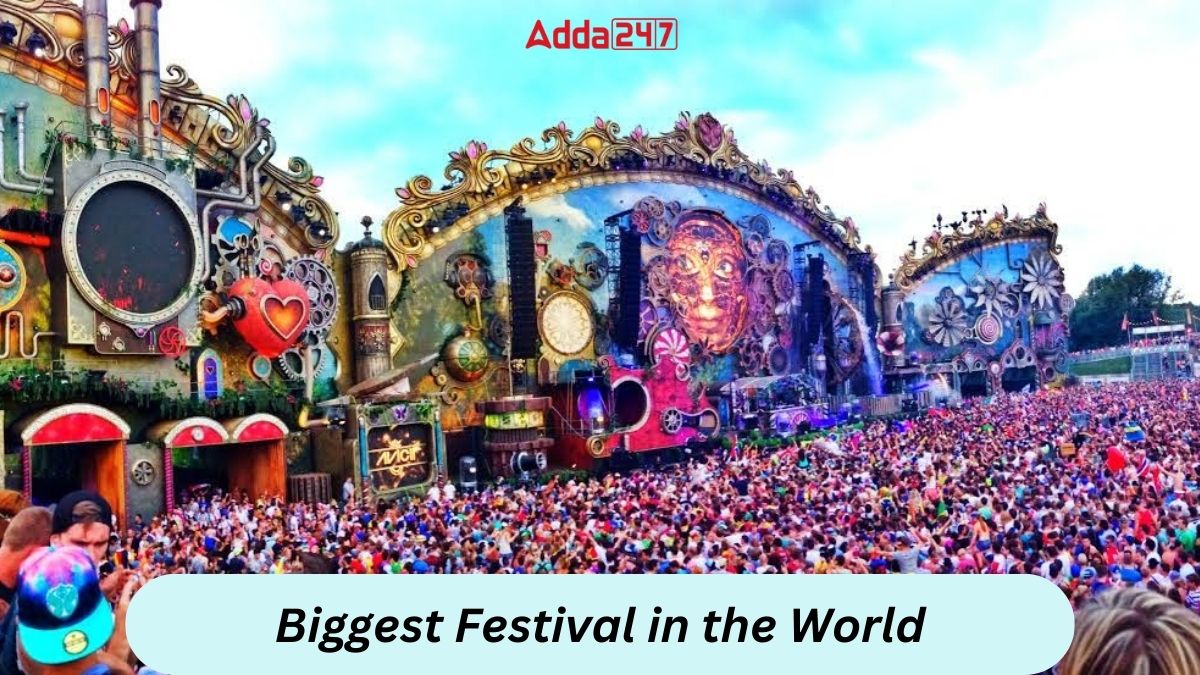
Rio de Janeiro’s Carnival, the world’s largest festival, captivates millions annually with its extravagant parades and pulsating energy. More than a visual spectacle, Carnival embodies a celebration of culture, art, and tradition. The lively streets reverberate with the infectious rhythms of live samba bands, offering a unique experience for both passionate partygoers and enchanted spectators. This grand event, among the top ten festivals globally, unites a diverse global community, fostering a shared appreciation for the joyous spectacle of performance art. Carnival in Rio is a dazzling fusion of color, music, and tradition that transcends borders and beckons revelers worldwide.
Significance of Biggest Festival of the World
The significance of the world’s largest festival, Rio de Janeiro’s Carnival, extends beyond its sheer size and extravagance. It serves as a global celebration that unites people from diverse backgrounds, transcending cultural and geographical boundaries. Carnival is a testament to the universal human desire for joy, expression, and communal celebration. Its grandiosity reflects the resilience of traditions, showcasing the importance of cultural preservation amid a changing world. As a symbol of collective revelry, the festival fosters a sense of community and shared humanity, reminding us of the power of festivities to bring people together in the spirit of cultural appreciation and sheer delight.
Top-10 Largest Festivals in the World
Carnival, Rio de Janeiro of Brazil, famous for colorful parades and surging energy, holds the title of the biggest festival in the world, followed by Oktoberfest (Germany), Diwali (India) and Mardi Gras (USA).
Here is the list of top-10 biggest festivals in the world:
| Largest Festivals in the World | ||
| S. No. | Festival | Location |
| 1. | Carnival, Rio de Janeiro, Brazil | Rio de Janeiro, Brazil |
| 2. | Oktoberfest, Munich, Germany | Munich, Germany |
| 3. | Diwali, India | India |
| 4. | Mardi Gras, New Orleans, USA | New Orleans, USA |
| 5. | La Tomatina, Buñol, Spain | Buñol, Spain |
| 6. | Holi, India | India |
| 7. | Chinese New Year, China | China |
| 8. | Songkran, Thailand | Thailand |
| 9. | Cherry Blossom Festival, Japan | Japan |
| 10. | Glastonbury Festival, UK | Somerset, United Kingdom |
World’s Biggest Festival – Carnival Festival
Location: Rio de Janeiro, Brazil
Celebrated: February or Early March
Rio’s Carnaval, the world’s grandest festival, transforms the Brazilian capital into a 10-day whirlwind of samba, floats, and unbridled celebration. The Sambodromo’s paid parades are a must, with Sunday and Monday showcasing the finest performances. For a star-studded experience, Copacabana Palace’s Magic Ball is elite, though pricey. Opt for the lively Scal club galas or join the vibrant blocos for free street revelry, with Banda de Ipanema and Carmelitas as top picks. Immerse in the world’s most spectacular carnival with unforgettable moments and infectious energy.
Second Biggest Festival in the World – Oktoberfest
Location: Munich, Germany
Celebrated: September
Munich’s Oktoberfest, the globe’s second-largest festival, captivates from mid- to late-September until the first Sunday in October. Boasting over six million attendees, it merges a colossal beer celebration with a vibrant carnival. Commencing as a 16-day affair, it now extends up to 18 days, honoring Bavarian culture since 1810.
Third Biggest Festival in the World – Diwali
Location: India
Celebrated: October or November
Diwali, the world’s third-largest festival, unfolds over five days in India, renowned as the Festival of Lights. Marking the triumph of good over evil, it involves prayers, gift-giving, home decoration with traditional lamps, and lively dances. Families gather for a special puja, culminating in a dazzling firework display symbolizing joy and offering to the gods. Diwali’s allure transcends Hinduism, drawing diverse participants to experience the vibrant celebrations in India’s major cities.







 Ramsar Sites in India 2026: State-Wise L...
 Who Is Navi Pillay? Nobel Peace Prize 20...
 Vande Bharat vs Amrit Bharat Express: Ke...