
Home   »   Daily Current Affairs of 11th July

Current Affairs Capsule PDF (11 July, 2026)

National News

Centre of Excellence for Human Wildlife Conflict Management Inaugurated

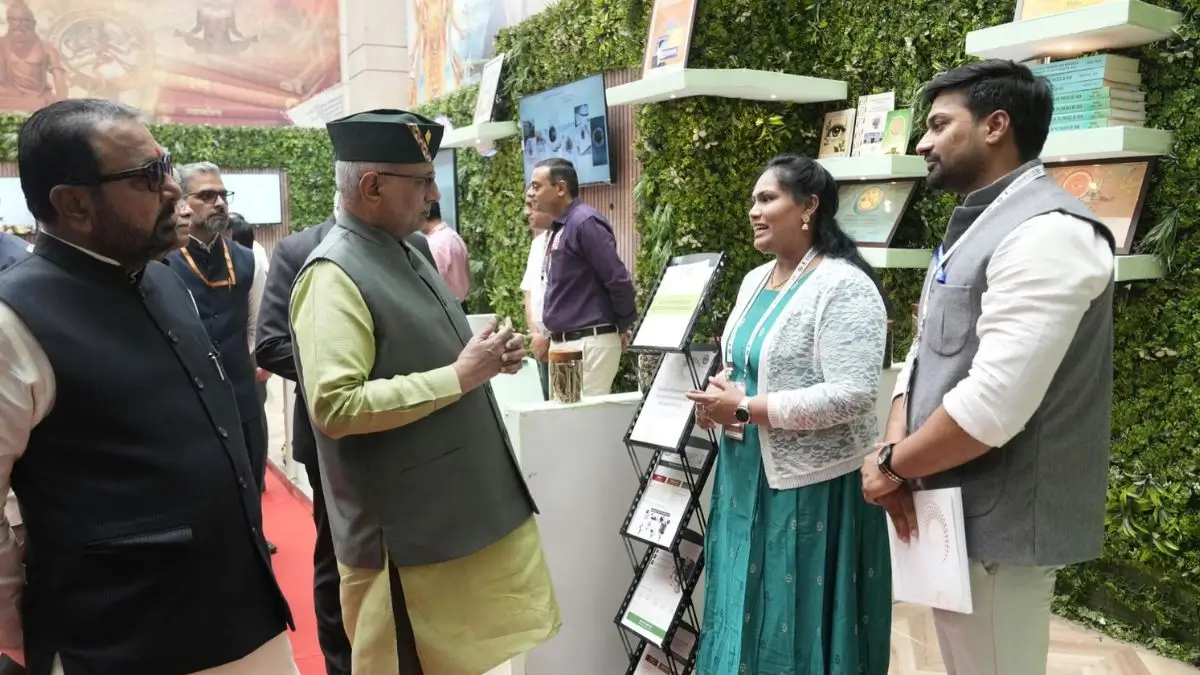
The Centre of Excellence on Human-Wildlife Conflict was inaugurated on 10 July 2026 at the Wildlife Institute of India–Sálim Ali Centre for Ornithology and Natural History (WII-SACON) campus in Coimbatore, Tamil Nadu. The centre will serve as a national hub for research, innovation, policy support, capacity building, and development of scientific solutions to manage human-wildlife conflicts. It will use advanced technologies such as artificial intelligence, satellite mapping, and predictive analytics for conflict prevention and mitigation. During the inauguration, the National Human-Wildlife Conflict Portal was launched to support data management and decision-making, along with a report on the current status and challenges of wildlife conflict in India. The initiative aims to promote evidence-based conservation while protecting both wildlife and human communities.

NABARD Facilitates GI Registration for Twenty-Eight New Products

The National Bank for Agriculture and Rural Development (NABARD) facilitated Geographical Indication (GI) registration for 28 new products on 10 July 2026, taking the total number of GI products supported by the institution to 176. The newly registered products include handicrafts, handloom textiles, bamboo crafts, metalwork, pottery, paintings, and musical instruments from states such as Bihar, Jharkhand, Assam, Himachal Pradesh, and Madhya Pradesh. GI registration, governed by the Geographical Indications of Goods (Registration and Protection) Act, 1999, protects products linked to a specific geographical origin and traditional production methods. NABARD has also strengthened the GI ecosystem through facilitation centres and a dedicated GI store, benefiting over 13,000 artisans and producers while generating more than 50,000 direct jobs.

Health Ministry Tightens Rules for Alcohol-Based Drug Formulations

The Union Health Ministry has amended the Drugs Rules, 1945 to strengthen regulation of medicinal products containing high levels of ethyl alcohol. Under the revised rules, formulations with more than 12% v/v alcohol in quantities exceeding 30 ml will no longer be exempt under Schedule K and will require manufacturing and sale licences under the Drugs and Cosmetics Act, 1940. These products have also been brought under Schedule H1, making them prescription-only medicines with mandatory pharmacy record-keeping. The amendment follows concerns raised by states over the misuse of high-alcohol medicinal preparations as intoxicants. The new rules, aimed at preventing abuse while ensuring legitimate medical use, will come into effect six months after Gazette notification, around January 2027.

India Launches Largest Rural Telecom Network Performance Survey Nationwide

The Department of Posts (DoP) and the Telecom Regulatory Authority of India (TRAI) have signed an MoU to conduct India’s largest rural telecom network performance survey across 5.68 lakh villages. The survey will assess the mobile services of Bharti Airtel, Reliance Jio, Vodafone Idea (Vi), and BSNL using an Android-based application operated by Gramin Dak Sevaks (GDSs) through the Department of Posts’ extensive rural network. Covering all States and Union Territories, the initiative aims to identify mobile connectivity gaps, evaluate network quality, and collect field-level data for evidence-based policymaking. The survey is expected to improve telecom infrastructure, enhance rural mobile services, strengthen the Digital India mission, and support better consumer experience and informed investment decisions in underserved areas.

State News

Delhi Introduces Pink Saheli Smart Card for Free Bus Travel

From 1 August 2026, women travelling on Delhi Transport Corporation (DTC) and DIMTS (Cluster) buses must use the Pink Saheli Smart Card to avail free bus travel, replacing the existing paper-based pink ticket system. Eligible passengers will be required to tap the smart card on the bus card reader while boarding. Women without the card will have to purchase regular tickets. The initiative aims to digitise the free travel scheme, reduce paper usage, improve transparency, simplify ticket verification, enhance operational efficiency, and prevent misuse. To facilitate implementation, the Delhi government has established 50 registration centres across the city where eligible women can apply for the card, supported by awareness campaigns encouraging timely registration before the new system becomes mandatory.

Jharkhand Launches Ambitious AI Policy 2026–31 Growth Roadmap

The Jharkhand government, led by Chief Minister Hemant Soren, unveiled the AI Policy 2026–31 roadmap during the National Stakeholder Consultation 2026 in New Delhi to position the state as a leading AI-driven governance and technology hub. The policy proposes ₹1,150 crore in government investment to attract over ₹10,000 crore in private investment, establish 50+ Global Capability Centres (GCCs), support 1,000 AI startups, and create more than one lakh AI-enabled jobs over five years. Key initiatives include the Chief Minister’s Data Intelligence Platform (CM-DIP), Health and Nutrition Vigilance System (HNVS), and Critical Minerals Administration System (CMAS). The roadmap emphasizes AI-powered governance, digital infrastructure, innovation, startup growth, skill development, and stronger government-industry collaboration to diversify Jharkhand’s economy beyond mining and heavy industries.

International News

India Australia Sign Traditional Knowledge Protection Agreement Through TKDL

India and Australia have signed an agreement granting IP Australia access to the Council of Scientific and Industrial Research’s Traditional Knowledge Digital Library (CSIR-TKDL) during the 3rd India–Australia Annual Summit in Melbourne. The agreement, signed in the presence of Prime Ministers Narendra Modi and Anthony Albanese, is among 18 key bilateral outcomes and aims to strengthen the protection of traditional knowledge by preventing erroneous patent grants. Under the pact, Australian patent examiners will use the TKDL as prior art while assessing patent applications. Established in 2001 by CSIR and the Ministry of AYUSH, the TKDL contains over 5.2 lakh documented formulations from Ayurveda, Unani, Siddha, Sowa Rigpa, and Yoga. With Australia’s inclusion, 18 patent offices now have access to the database.
India New Zealand Set ₹35,000 Crore Trade Expansion Target

India and New Zealand Sign 10 Agreements, Launch Strategic Partnership Roadmap to 2030

India and New Zealand upgraded their bilateral relationship to a Strategic Partnership on 11 July 2026, setting an ambitious target to double annual trade in goods and services to ₹35,000 crore (NZ$7 billion) by 2030. The agreement was announced during discussions between Prime Minister Narendra Modi and Prime Minister Christopher Luxon, which resulted in 18 key outcomes, including 10 agreements. Both nations adopted the Strategic Partnership Roadmap to 2030 focusing on trade, agriculture, skills, innovation, clean energy, education, and sports cooperation. The recently concluded India-New Zealand Free Trade Agreement is expected to support economic growth and investment. Prime Minister Modi’s visit marked the first visit by an Indian Prime Minister to New Zealand in 40 years, with New Zealand also committing $20 billion investment in India.

UN Women Report Highlights Global Humanitarian Aid Funding Crisis

A UN Women report reveals that at least one million women and girls lost access to essential humanitarian assistance over the past year due to declining donor funding. Based on a survey of 855 women-led organizations across crisis-affected countries, the report found that nearly 90% cannot meet growing needs, while 40% risk closure within a year. More than 75% have reduced staff, 65% rely on unpaid personnel, and 60% now serve fewer beneficiaries. Funding cuts have severely affected services such as protection from gender-based violence, reproductive healthcare, education, and safe shelters. With 120 million women and girls currently requiring humanitarian assistance, the report urges increased global funding to sustain women-led organizations and protect vulnerable populations in conflict and disaster-affected regions.

Andy Burnham Set to Become United Kingdom Prime Minister

Andy Burnham is set to become the United Kingdom’s next Prime Minister after securing the backing of 322 of Labour’s 403 MPs on the first day of nominations, leaving him just one endorsement short of becoming the sole leadership candidate. Under Labour Party rules, a rival requires 81 MP nominations to contest the leadership, making Burnham’s position overwhelmingly strong. If confirmed, he will succeed Keir Starmer, who resigned following Labour’s poor performance in the recent local elections amid growing internal pressure for a leadership change. Burnham’s expected elevation marks a significant political transition, with the new leadership aiming to restore public confidence, unify the party, and redefine Labour’s political direction ahead of future national elections.

India New Zealand Forge Strategic Partnership Roadmap to 2030

India and New Zealand have elevated bilateral ties to a Strategic Partnership by adopting the Strategic Partnership Roadmap to 2030 and signing 10 agreements and MoUs during Prime Minister Narendra Modi’s visit. The roadmap strengthens cooperation in defence, trade, maritime security, disaster management, agriculture, tourism, sports, culture, education, and scientific research. Key initiatives include maritime cooperation, defence logistics, hydrography, a Joint Working Group on Counter-Terrorism, disaster resilience, and an Animal Husbandry and Dairying agreement. Two Kiwifruit Centres of Excellence will be established in Nagaland and Uttarakhand. Both countries aim to double bilateral trade to NZ$7 billion by 2030, enhance Indo-Pacific cooperation, promote clean energy through the Global Biofuels Alliance, and expand academic, cultural, and Antarctic research collaborations.

Economy News

Government Exempts GIFT City Maritime Units from Shipping Licences

The Government of India has exempted eligible units in the International Financial Services Centre (IFSC), GIFT City, Gandhinagar, from obtaining licences under Section 11 of the Coastal Shipping Act, 2025 for chartering foreign vessels used in EXIM and international trade. Announced by the Ministry of Ports, Shipping and Waterways, the reform aims to strengthen GIFT City as a global hub for maritime leasing, ship financing, and maritime services while improving ease of doing business. The exemption is expected to attract global investment, promote ship-owning and leasing activities, and expand India’s maritime finance ecosystem. The existing cabotage rules for coastal shipping remain unchanged. Effective immediately, the measure supports India’s vision of becoming a leading global maritime and financial services centre.

India Extends Anti-Dumping Duty on Seamless Steel Tubes

India has extended the anti-dumping duty on seamless tubes, pipes, and hollow profiles of iron, alloy, or non-alloy steel imported from China until 27 January 2027. The measure applies to products classified under Customs Tariff Heading 7304 with an outer diameter of up to 355.6 mm. Anti-dumping duty is a trade remedy imposed by the Ministry of Finance to protect domestic industries from unfairly priced imports sold below their normal value. The extension follows a sunset review conducted by the Directorate General of Trade Remedies (DGTR) under the Ministry of Commerce and Industry, which assesses whether ending the duty would result in continued dumping and injury to Indian manufacturers. The decision aims to safeguard the domestic steel industry from unfair trade practices.

Defense News

Indian Air Force Retains Third Rank in Global Airpower

The Indian Air Force (IAF) has retained third place in the World Directory of Modern Military Aircraft (WDMMA) 2026 Global Air Power Rankings, remaining ahead of China’s People’s Liberation Army Air Force (PLAAF) for the fifth consecutive year. Ranked behind only the United States Air Force and the Russian Air Force, the IAF’s position reflects its balanced fleet, operational readiness, modernization, logistics, and indigenous aerospace capabilities assessed through WDMMA’s True Value Rating (TVR). The IAF operates around 1,716 aircraft, including 542 fighters, 498 helicopters, 282 transport aircraft, 374 trainers, and 20 special mission aircraft. Despite the achievement, the force continues to face challenges such as a fighter squadron shortfall and the need for more AWACS, refuelling, and surveillance aircraft.

INS Mahendragiri Joins Indian Navy Eastern Fleet Successfully

INS Mahendragiri (F38), the sixth and final stealth frigate under Project 17A, joined the Indian Navy’s Eastern Fleet on 11 July 2026 in Visakhapatnam. Designed by the Indian Navy’s Warship Design Bureau and built by Mazagon Dock Shipbuilders Limited, Mumbai, the warship marks a major milestone in India’s indigenous defence manufacturing under the Aatmanirbhar Bharat initiative, with over 75% indigenous content. Project 17A is an advanced version of the Shivalik-class frigates featuring improved stealth, automation, survivability, and network-centric warfare capabilities through modular construction. INS Mahendragiri is equipped for anti-air, anti-surface, anti-submarine, and electronic warfare operations. It will also undertake maritime security, surveillance, search and rescue, humanitarian assistance, disaster relief, and protection of Sea Lines of Communication across the Indian Ocean Region and beyond.

Agreements News

Indian Potash Jain Irrigation Sign Drip Irrigation MoU

Indian Potash Limited (IPL) and Jain Irrigation Systems Limited signed a Memorandum of Understanding (MoU) on 8 July 2026 to promote drip irrigation for sugarcane cultivation in Gujarat. The partnership covers field surveys, system design, supply, installation, farmer training, and on-field demonstrations of micro irrigation technologies. It also supports fertigation, which enables fertilizers to be applied through irrigation systems, improving water and nutrient efficiency. The initiative aims to enhance sustainable sugarcane cultivation, increase water-use efficiency, and improve crop productivity. Eligible farmers will receive capacity-building support along with access to credit and grants for adopting Micro Irrigation Systems. The collaboration also supports India’s goals of efficient agriculture, higher sugar production, and biofuel feedstock development through modern irrigation practices.

Schemes News

UP Mahila Udyam Nidhi Yojana Boosts Women Entrepreneurship and Finance

The UP Mahila Udyam Nidhi Yojana 2026 is a Uttar Pradesh Government initiative that provides affordable financial assistance to women entrepreneurs for starting or expanding micro and small businesses. Implemented through UP Mahila Nidhi, the scheme offers loans ranging from ₹50,000 to ₹10 lakh at an interest rate of around 4%, with no collateral required for loans up to ₹2 lakh. Eligible applicants must be women aged 18–60 years, permanent residents of Uttar Pradesh, have an annual family income below ₹3 lakh, and possess an Aadhaar-linked bank account. Priority is given to Self-Help Group members, widows, women with disabilities, and minority women. Applications can be submitted online or through district UP Mahila Nidhi offices with the required documents and business plan.

Important Days News

World Population Day 2026 Promotes Youth Empowerment and Sustainable Development

World Population Day is observed annually on 11 July to raise awareness about population-related issues, including reproductive health, family planning, gender equality, women’s empowerment, youth development, and sustainable development. Established by the United Nations Development Programme (UNDP) in 1989, the observance originated from the milestone of “Five Billion Day” on 11 July 1987. The 2026 theme, “Realizing the hopes and aspirations of young people: today and in the future,” highlights the importance of investing in youth through quality education, healthcare, reproductive rights, and equal opportunities. The day encourages governments and communities to promote sustainable population growth, improve maternal and reproductive healthcare, empower women, and organize educational programmes, awareness campaigns, competitions, and social media initiatives to support inclusive and sustainable development.

prime_image
About the Author
Shivam
Shivam
Author

As a Content Executive Writer at Adda247, I am dedicated to helping students stay ahead in their competitive exam preparation by providing clear, engaging, and insightful coverage of both major and minor current affairs. With a keen focus on trends and developments that can be crucial for exams, researches and presents daily news in a way that equips aspirants with the knowledge and confidence they need to excel. Through well-crafted content, Its my duty to ensures that learners remain informed, prepared, and ready to tackle any current affairs-related questions in their exams.