
Global rating agency Moody’s has revised the India’s economic outlook and cuts the FY27 GDP growth forecast to 6% from 6.8%. This downgrade reflects the growing concerns over the West Asia region, rising energy prices and the weak domestic demand. As India remains heavily dependent on the imported energy the global disruptions creates impact inflation, consumption and the industrial activity.
Why Moody’s Cut India’s Growth Forecast
The revised outlook is mainly driven by the external shocks and domestic pressures.
Moody’s highlighted that,
The weaker private consumption and the slower industrial growth are key factors behind the downgrade.
Also the rising energy prices due to geopolitical tensions have increased the input costs for industries and affected the overall economic momentum.
Impact of West Asia Crisis on India
The current tensions in West Asia Region have disrupted the global energy markets.
The major concern is the Strait of Hormuz which is the critical route for global oil supply.
Disruptions here have,
- Led to increased crude oil and gas prices.
- Also have raised India’s import bill.
- And it have widened the trade deficit.
As India is one of the world’s largest importers of oil it is particularly vulnerable to such shocks.
Inflation and Fiscal Pressure
Higher energy prices are expected to push up the inflation slightly.
This creates the multiple challenges like the,
The government may need to increase the spending on fuel and fertilizer subsidies which will put the pressure on fiscal balances.
At the same time the rising prices reduce the consumer purchasing power and affects the demand across sectors.
Risks to Agriculture and Consumption
Moody’s has flagged potential shortages in the fertilisers and cooking gas which could impact the agricultural productivity and household consumption.
Since the agriculture and consumption are key pillars of Indian economy any disruption here can significantly slow growth.
External Sector Risks
India also faces the risks from the external financial flows.
The remittances from the Gulf Cooperation Council (GCC) countries form over one-third of India’s total inflows can impact as the economic conditions are weaken in some of the countries.
It could reduce the remittances and further widen the current account deficit.








 GST Council Removes Arrest Powers of Tax...
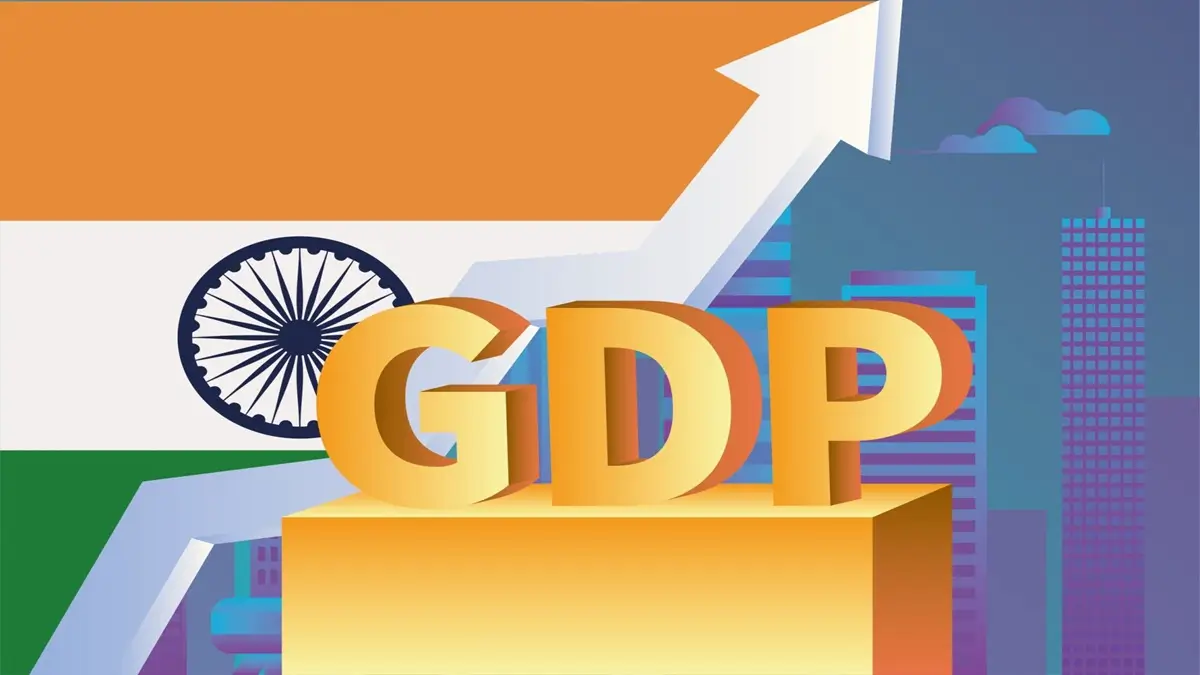 World Bank Raises India’s GDP Growth F...
 Centre to Borrow ₹7.86 Trillion Throug...