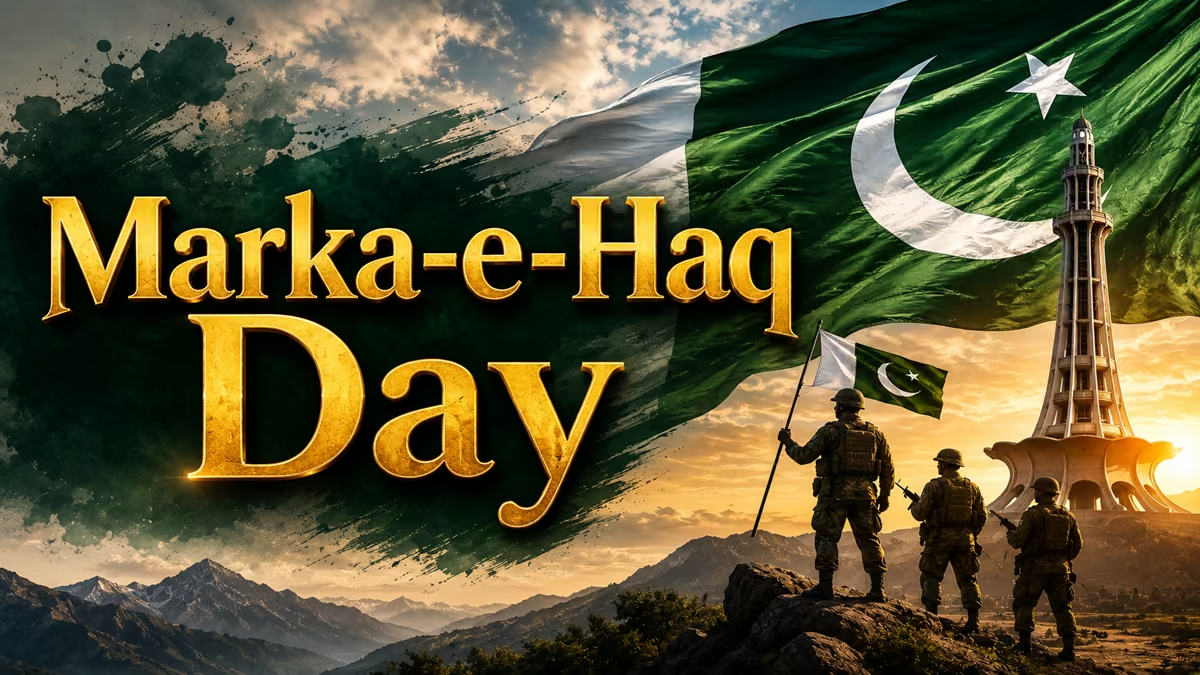
Pakistan Prime Minister Shehbaz Sharif recently announced that May 10 will now be observed every year as “Marka-e-Haq Day.”
The announcement immediately drew attention across South Asia because symbolic national days are rarely just ceremonial. They often carry political, historical, and strategic messaging far beyond the official statement itself.
For many ordinary readers, however, the bigger questions are:
- What does “Marka-e-Haq” actually mean?
- Why is Pakistan introducing this day now?
- And why do such symbolic declarations matter in regional politics?
Understanding the announcement requires looking beyond headlines and examining how national identity, domestic politics, and regional tensions are increasingly interconnected in South Asia.
What Does “Marka-e-Haq” Mean?
The phrase “Marka-e-Haq” roughly translates to: “Battle for Truth” or “Battle for Justice.”
In political language, such terms are often used to frame events as part of a larger national or ideological struggle.
Governments frequently use emotionally powerful phrases to:
- strengthen public unity,
- reinforce national identity,
- and shape political narratives.
In Pakistan’s case, the phrase appears intended to symbolize resilience, national pride, and political positioning during a period of heightened regional sensitivity.
Why Symbolic National Days Matter
Many people assume symbolic days are mostly ceremonial. In reality, they often serve important political purposes.
Countries across the world create commemorative days to:
- reinforce collective memory,
- build national identity,
- unite citizens emotionally,
- and strengthen political narratives.
These observances can influence:
- public sentiment,
- political discourse,
- education,
- media narratives,
- and diplomatic messaging.
In regions with long historical tensions, symbolic events can carry even greater significance.
Why the Timing Is Important
The announcement comes during a period of continuing geopolitical sensitivity in South Asia.
Relations between India and Pakistan have remained tense for years due to:
- border disputes,
- security concerns,
- political mistrust,
- and competing national narratives.
In such environments, political symbolism often becomes part of broader domestic and regional messaging.
Governments sometimes use commemorative events to:
- strengthen internal unity,
- reinforce patriotism,
- or redirect political attention toward national identity themes.
That does not automatically mean escalation is imminent, but it does show how symbolism remains deeply connected to regional politics.
National Identity and Political Messaging
Modern politics is increasingly driven not only by policies but also by narratives.
Political leaders often try to shape:
- how citizens interpret history,
- what events are remembered,
- and which national values are emphasized.
This happens in many countries, not just Pakistan.
Symbolic national observances can become tools for:
- identity-building,
- political communication,
- and emotional mobilization.
In South Asia especially, history and politics remain closely intertwined.
Events from the past are often revisited in present-day political debates, media discussions, and diplomatic narratives.
Why Such Announcements Gain Public Attention
Announcements like “Marka-e-Haq Day” attract attention because they touch on:
- nationalism,
- historical memory,
- regional rivalry,
- and political emotion.
Even symbolic declarations can shape:
- television debates,
- online discourse,
- public perception,
- and diplomatic commentary.
In today’s digital era, symbolic politics spreads rapidly through social media and public discussion, often becoming larger than the original announcement itself.
How Regional Tensions Influence Domestic Politics
In many countries, regional tensions can influence domestic political messaging.
Governments sometimes emphasize:
- national strength,
- unity,
- sovereignty,
- or historical struggles
during periods of political pressure or uncertainty.
This can help:
- consolidate public support,
- strengthen political narratives,
- or create emotional national cohesion.
South Asian politics has historically seen strong connections between domestic political narratives and regional developments.
Why Symbolic Politics Matters Internationally
Some people dismiss symbolic announcements as unimportant because they do not directly change policy.
But symbolic politics can still influence:
- diplomatic tone,
- public expectations,
- media narratives,
- and political relationships between countries.
Narratives shape how populations understand conflicts, alliances, and national priorities.
Over time, repeated symbolic messaging can affect:
- political attitudes,
- education systems,
- and even future diplomatic environments.
That is why such announcements often receive attention beyond the country making them.
The Role of Media and Public Interpretation
Different audiences interpret symbolic political events differently.
Some may see them as:
- patriotic expressions,
- historical remembrance,
- or national unity efforts.
Others may interpret them as:
- political signaling,
- narrative positioning,
- or regional messaging.
Media coverage also plays a major role in shaping public understanding.
This is why context becomes important. Without explanation, symbolic announcements can quickly become emotionally charged online discussions.






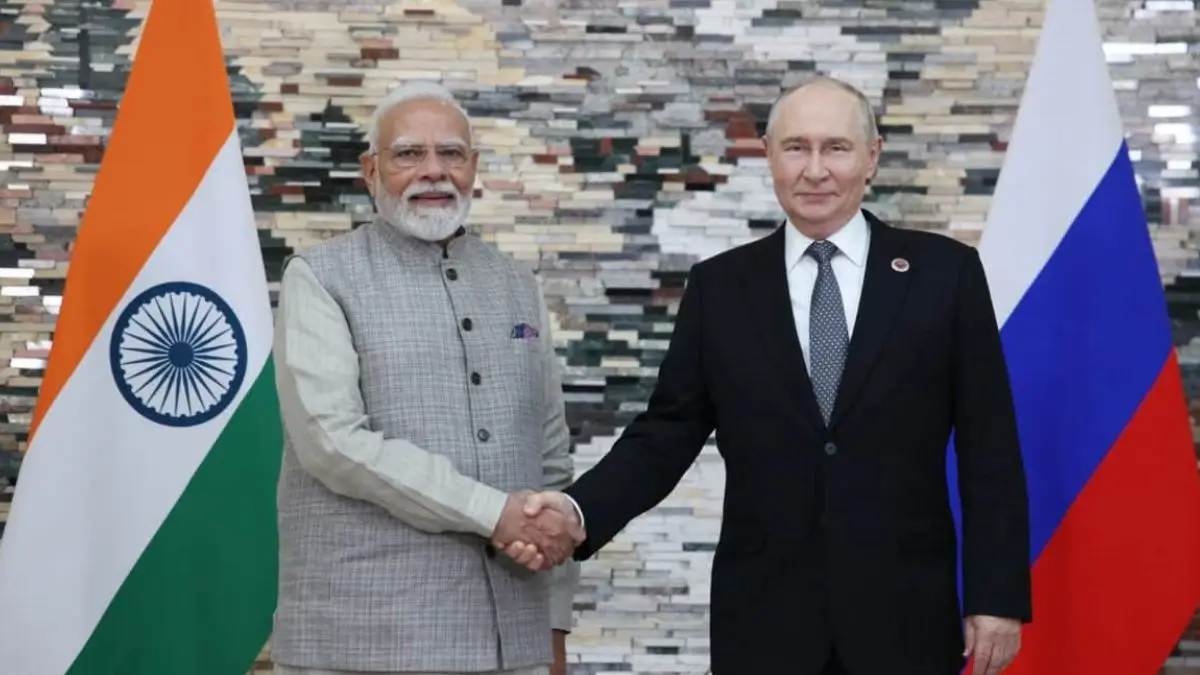 Putin Ratifies India–Russia Agreement ...
 India Hosts First BIMSTEC Home Ministers...
 World Bank Mobilises $112 Billion in Pri...