
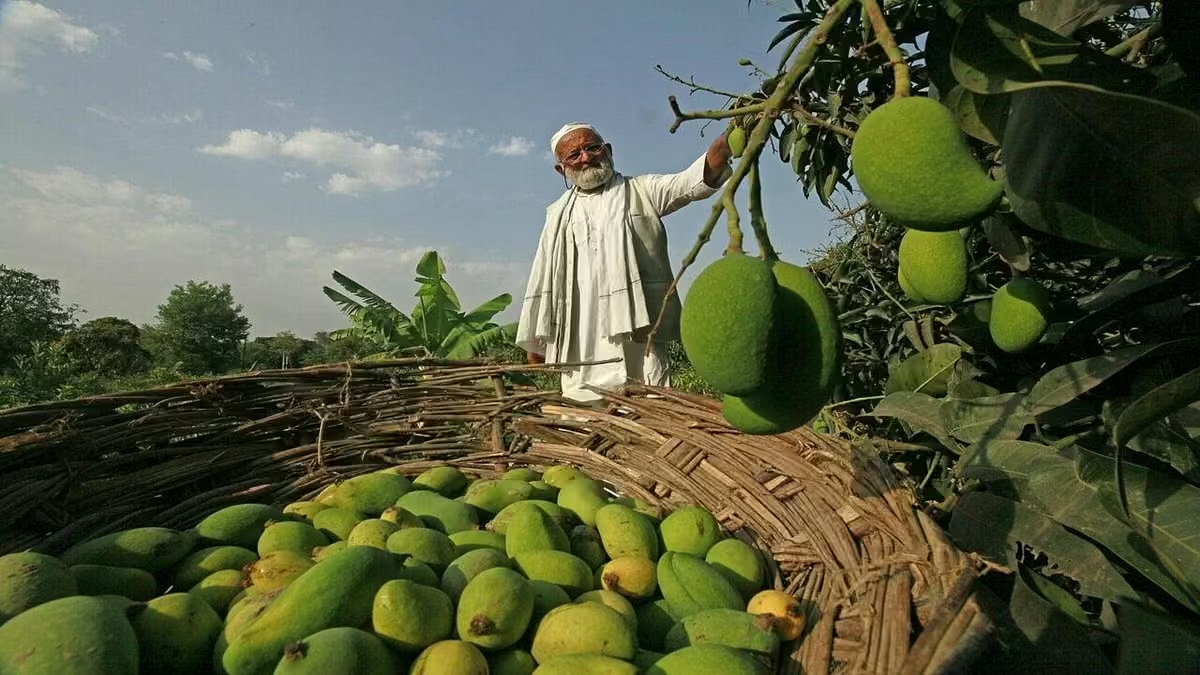
India is famous for many things — spices, festivals, cricket, and diverse cultures, but few things unite Indians emotionally like mangoes.
Every summer, fruit markets across the country fill with the smell of ripe mangoes, and families passionately debate which variety is the best. From Alphonso to Kesar to Dasheri, mangoes are more than just a fruit in India, they are part of culture, tradition, and nostalgia.
But among all mango-growing regions, one place has earned a particularly special reputation:
Malihabad in Uttar Pradesh.
Often referred to as the “Mango Capital of the World,” this historic town is known globally for its mango orchards, especially the famous Dasheri variety.
So why has this region become so important in the world of mangoes?
The answer lies in history, geography, farming traditions, and India’s deep relationship with the “king of fruits.”
Where Is Malihabad?
Malihabad is a town located near Lucknow in the Indian state of Uttar Pradesh.
At first glance, it may look like a quiet agricultural region. But during mango season, Malihabad transforms into one of India’s most important fruit-producing hubs.
The area is filled with thousands of mango orchards spread across vast farmland, many of which have existed for generations.
Mango cultivation here is not simply business — it is part of local identity.
Why Malihabad Became Famous for Mangoes
Several factors helped Malihabad become globally recognized.
1. Ideal Climate for Mango Farming
Malihabad’s climate and soil conditions are highly suitable for mango cultivation.
The region experiences:
- hot summers,
- moderate winters,
- and fertile alluvial soil,
which together create excellent growing conditions for mango trees.
Good climate directly affects:
- sweetness,
- aroma,
- texture,
- and fruit quality.
This natural advantage helped the region build its reputation over decades.
2. The Legendary Dasheri Mango
Malihabad is most famous for producing the Dasheri mango — one of India’s most loved mango varieties.
Dasheri mangoes are known for:
- their rich sweetness,
- smooth texture,
- juicy pulp,
- and strong fragrance.
Unlike some fibrous mango varieties, Dasheri mangoes are soft and almost buttery in texture, making them especially popular across India.
According to local history, the original Dasheri mango tree is believed to have existed in the region for more than 200 years.
That single variety helped place Malihabad on the global mango map.
Mango Farming Is a Way of Life Here
In Malihabad, mango farming is deeply connected to family traditions.
Many orchard owners come from families that have cultivated mangoes for generations. Farming techniques, grafting methods, and orchard management practices are often passed down through experience rather than formal education.
For many families:
- mango season determines annual income,
- employment opportunities,
- and local economic activity.
During peak season, the region becomes extremely busy with:
- harvesting,
- packaging,
- transportation,
- and wholesale trade.
Thousands of people depend directly or indirectly on the mango economy.
Why Indian Mangoes Are Famous Worldwide
India is the world’s largest producer of mangoes.
The country grows hundreds of mango varieties, each with unique taste and texture profiles.
Indian mangoes are popular internationally because of:
- natural sweetness,
- intense aroma,
- diverse varieties,
- and tropical growing conditions.
Different regions of India are associated with different mango types:
- Alphonso from Maharashtra,
- Kesar from Gujarat,
- Langra from Uttar Pradesh and Bihar,
- Chausa from North India,
- and Dasheri from Malihabad.
This diversity makes India unique in global mango production.
Mangoes Are Deeply Connected to Indian Culture
In India, mangoes are not just seasonal fruits.
They appear in:
- festivals,
- literature,
- art,
- weddings,
- religious rituals,
- and family traditions.
Mango leaves are often used in decorations during celebrations, while mango-based dishes are part of summer cuisine across the country.
For many Indians, mangoes are strongly linked to childhood memories:
- summer vacations,
- family gatherings,
- homemade mango shakes,
- and afternoon meals.
This emotional connection is one reason mango content remains so popular online.
The Global Demand for Indian Mangoes
Indian mango exports have expanded significantly over the years.
Countries across:
- the Middle East,
- Europe,
- the United States,
- and parts of Asia
import Indian mango varieties during the season.
However, exporting mangoes internationally also requires:
- strict quality control,
- temperature management,
- packaging standards,
- and pest-control compliance.
Farmers and exporters from regions like Malihabad play an important role in maintaining India’s reputation globally.
Challenges Mango Farmers Still Face
Despite the fame, mango farming is not easy.
Farmers often struggle with:
- unpredictable weather,
- crop diseases,
- unseasonal rain,
- rising transportation costs,
- and export restrictions.
Climate change is also becoming a growing concern because mango production depends heavily on stable seasonal conditions.
Even small weather disruptions can affect:
- flowering,
- fruit quality,
- and harvest size.
This makes mango farming both rewarding and risky.
Why Food Tourism Is Growing Around Mangoes
Food tourism is becoming increasingly popular in India, and mango-related tourism is slowly growing too.
Many visitors travel to mango-producing regions during summer to:
- visit orchards,
- taste fresh mangoes,
- learn about farming,
- and experience rural food culture.
For mango lovers, regions like Malihabad offer a completely different experience from buying fruit in city markets.








 Who Is Navi Pillay? Nobel Peace Prize 20...
 Vande Bharat vs Amrit Bharat Express: Ke...
 Asian Games to LA28: Which Sports Earned...










