Air Suvidha 2.0 Explained: New Health Rules for International Travellers in India

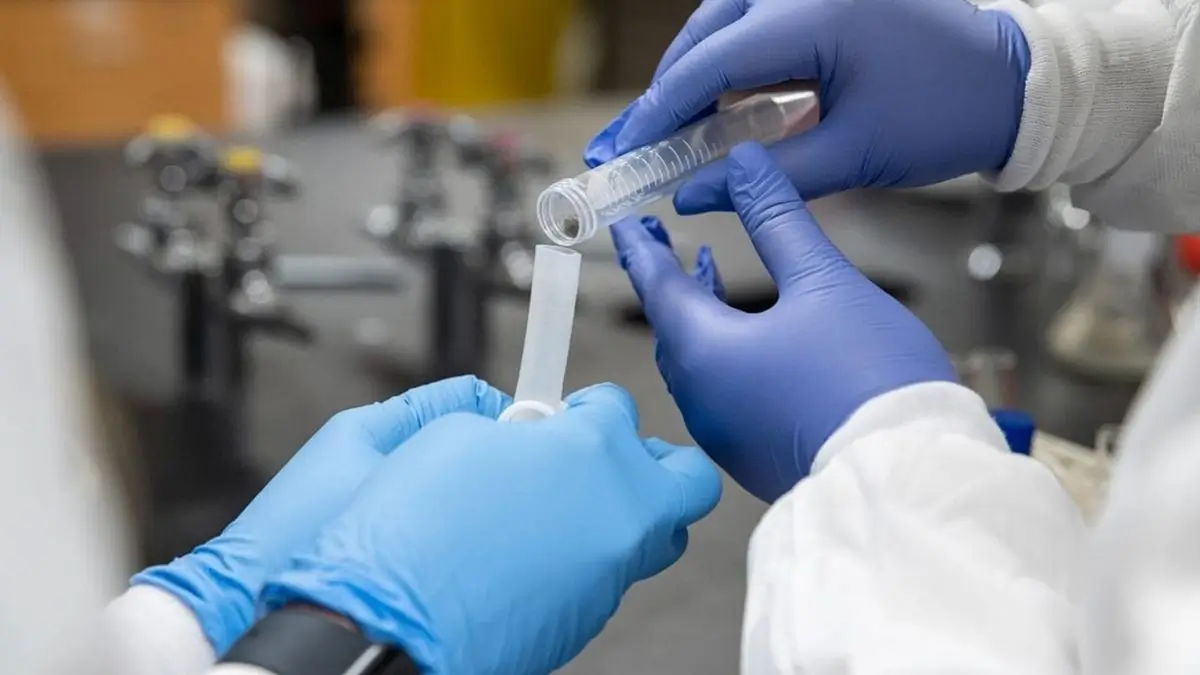
ndia has launched Air Suvidha 2.0, a fully digital and contactless passenger health declaration platform for international travellers. The upgraded system is designed to strengthen the country’s health surveillance at airports by enabling passengers to submit health information online before arriving in India. The initiative comes amid global concerns over the Ebola virus outbreak and aims to ensure faster identification of potential health risks while making airport arrivals smoother and more efficient.

What Is Air Suvidha 2.0?

Air Suvidha 2.0 is the upgraded version of India’s online health declaration portal for international passengers. It has been introduced by the Ministry of Civil Aviation in collaboration with Delhi International Airport Limited (DIAL).

The platform allows passengers to complete their health declaration digitally before landing in India, reducing paperwork and helping authorities screen travellers more efficiently.

The launch follows the World Health Organization (WHO) declaring the Ebola/Bundibugyo Virus Disease outbreak in the Democratic Republic of Congo (DRC) and Uganda as a Public Health Emergency of International Concern (PHEIC) under the International Health Regulations (IHR), 2005.

Why Has India Introduced Air Suvidha 2.0?

With international travel increasing rapidly, India has strengthened its health surveillance system to prevent the spread of infectious diseases.

The key objectives of Air Suvidha 2.0 are:

  • Improve health screening for international passengers.
  • Enable early detection of infectious diseases.
  • Strengthen India’s public health preparedness.
  • Reduce manual paperwork through digital processing.
  • Improve coordination between airport authorities and health officials.
  • Ensure quicker immigration and arrival procedures.

New Health Rules for International Travellers

Under Air Suvidha 2.0, eligible international passengers may be required to submit an online Health Self-Declaration Form before arriving in India.

The declaration includes:

  • Travel history for the previous 21 days.
  • Details of exposure to infectious diseases.
  • Information on symptoms associated with Ebola infection.
  • Contact information for health monitoring.

Passengers can complete the declaration:

  • During web check-in.
  • Up to 24 hours before arrival in India.

After completing the online process, travellers may need to present the submitted declaration at the International Travel Health Desk or the Immigration Counter upon arrival.

Is Air Suvidha 2.0 Mandatory?

The requirement to submit the Air Suvidha declaration depends on the latest health advisories issued by the Government of India.

Passengers travelling from countries or regions identified as high-risk may be required to complete the health declaration before entering India. Travellers should always check the latest travel guidelines before departure.

How Is Air Suvidha 2.0 Different from the Earlier System?

The upgraded platform offers several improvements over the previous version.

Feature Earlier System Air Suvidha 2.0
Health Declaration Partly manual Fully digital
Passenger Submission Limited online features Completely online and contactless
Screening Process More manual verification Faster digital verification
Coordination Limited Improved coordination between airport and health authorities
Processing Time Longer Faster and more efficient

Benefits of Air Suvidha 2.0

The upgraded system offers several advantages:

  • Contactless health declaration.
  • Faster immigration clearance.
  • Better disease surveillance.
  • Reduced paperwork.
  • Improved public health response.
  • Enhanced passenger convenience.
  • Real-time sharing of health information with authorities.

Understanding Ebola Virus

Ebola is a severe viral disease that can be life-threatening if not diagnosed and treated promptly.

How Does Ebola Spread?

The virus spreads through direct contact with:

  • Blood of an infected person.
  • Body fluids such as saliva, sweat, urine, or vomit.
  • Contaminated medical equipment.
  • Infected animals in certain cases.

It does not spread through casual contact or through the air.

Common Symptoms of Ebola

Symptoms generally appear between 2 and 21 days after exposure and may include:

  • Sudden high fever
  • Severe weakness
  • Muscle pain
  • Headache
  • Sore throat
  • Vomiting
  • Diarrhoea
  • Skin rash
  • Internal or external bleeding in severe cases

Early detection and medical isolation are essential to prevent transmission.

Why Air Suvidha 2.0 Is Important

The launch of Air Suvidha 2.0 reflects India’s commitment to strengthening border health security. By enabling digital health declarations and improving coordination among airport and health authorities, the platform helps identify potential health risks quickly while ensuring a seamless travel experience for international passengers.

Key Facts at a Glance

Particular Details
Platform Air Suvidha 2.0
Launched By Ministry of Civil Aviation in collaboration with DIAL
Purpose Digital health declaration for international travellers
Declaration Submission Up to 24 hours before arrival
Information Required 21-day travel history, exposure history, health symptoms
Trigger for Upgrade WHO declaration of Ebola/Bundibugyo outbreak as PHEIC
WHO Framework International Health Regulations (IHR), 2005
Main Objective Strengthen health surveillance and improve passenger screening


What is Toshakhana? How Are Government Gifts Managed in India?

The Ministry of External Affairs (MEA) has opened nearly 300 Toshakhana gifts for public e-auction under the revised Toshakhana Rules, 2024. The auction, which commenced on 8 June 2026, will continue until 30 June 2026, allowing citizens to bid on gifts received by Indian public officials during official visits and diplomatic engagements.

This initiative promotes transparency in the management of government gifts while ensuring that the proceeds benefit the public exchequer.

What is Toshakhana?

Toshakhana is the official system used by the Government of India for the receipt, valuation, storage, and disposal of gifts presented to public officials during official meetings, foreign visits, and diplomatic events.

The term “Toshakhana” originates from Persian, where “Tosh” means treasure or valuables and “Khana” means house or repository.

In India, the Toshakhana Section functions under the Establishment Division of the Ministry of External Affairs (MEA).

Why is Toshakhana Important?

The Toshakhana system ensures that gifts received by ministers, diplomats, and government officials are handled transparently rather than becoming personal property.

Its primary objectives include:

  • Maintaining an official record of gifts received by public officials.
  • Assessing the monetary value of each gift.
  • Ensuring compliance with government rules regarding gift retention.
  • Disposing of gifts through transparent mechanisms such as auctions.
  • Depositing auction proceeds into government funds.

Toshakhana E-Auction 2026

Under the revised Toshakhana Rules, 2024, the Ministry of External Affairs has launched an online auction featuring approximately 300 official gifts.

Auction Timeline

  • Auction Start: 8 June 2026
  • Auction End: 30 June 2026

The auction is being conducted through the MEA Toshakhana Auction Portal, enabling citizens to participate through an online bidding process.

Notable Items in the Auction

The auction catalogue includes a wide range of valuable diplomatic gifts, such as:

  • Rolex Yacht Master II watches
  • Apple MacBook Pro laptops
  • Gold jewellery
  • Silver daggers gifted by Oman
  • Antique silver boxes
  • Decorative artefacts and collectibles

The reserve prices range from approximately ₹2,385 to ₹17 lakh, while some premium items are valued at nearly ₹19 lakh.

Where Does the Auction Money Go?

The revenue generated from the sale of Toshakhana items is deposited into the Consolidated Fund of India (CFI).

The Consolidated Fund of India is the principal account of the Union Government established under Article 266 of the Constitution of India. All government revenues, loans, and receipts are credited to this fund, from which government expenditure is authorized by Parliament.

Who Received These Gifts?

The current auction primarily includes gifts received by:

  • The Foreign Secretary
  • Senior officers of the Ministry of External Affairs
  • Other officials during official foreign visits and diplomatic engagements

The Ministry has also announced plans for a future auction covering gifts received by former External Affairs Ministers.

Toshakhana Rules: How Are Official Gifts Managed?

The revised Toshakhana Rules, 2024 provide a structured process for handling official gifts:

  1. Public officials must declare gifts received during official engagements.
  2. The gifts are submitted to the Toshakhana Section.
  3. Experts assess and determine the value of each item.
  4. Depending on the applicable rules, officials may retain certain gifts after paying the prescribed amount.
  5. Remaining items are preserved or disposed of through public auction.
  6. Auction proceeds are credited to the Consolidated Fund of India.

Significance of Public E-Auction

The public e-auction system offers several benefits:

  • Enhances transparency in handling government property.
  • Promotes accountability among public officials.
  • Allows citizens to purchase unique diplomatic memorabilia.
  • Generates revenue for the Government of India.
  • Encourages efficient management of official gifts.

Key Facts for Competitive Exams

Particular Details
Managed By Ministry of External Affairs (MEA)
Toshakhana Function Receipt, valuation, storage and disposal of official gifts
Current Auction Period 8 June – 30 June 2026
Number of Items Around 300
Auction Mode Online Public E-Auction
Highest Valued Items Up to approximately ₹19 lakh
Auction Revenue Credited To Consolidated Fund of India
Constitutional Provision Article 266 of the Constitution of India

Mukhyamantri Kisan Sahay Yojana Gujarat 2026: Eligibility, Benefits, Documents Required and How to Apply

The Mukhyamantri Kisan Sahay Yojana (MKSY) is a farmer welfare scheme launched by the Government of Gujarat in 2020 to provide financial assistance to farmers who suffer crop losses due to natural calamities. Unlike traditional crop insurance schemes, farmers are not required to pay any premium under this scheme.

Eligible farmers receive compensation based on the extent of crop damage. If crop loss is between 33% and 60%, financial assistance of ₹20,000 per hectare is provided. If crop loss exceeds 60%, farmers receive ₹25,000 per hectare, subject to a maximum coverage of 4 hectares. Since its launch, the scheme has benefited nearly 50 lakh farmers across Gujarat.

Mukhyamantri Kisan Sahay Yojana Gujarat 2026: Overview

Particulars Details
Scheme Name Mukhyamantri Kisan Sahay Yojana (MKSY)
State Gujarat
Launched By Government of Gujarat
Launch Year 2020
Beneficiaries Farmers of Gujarat
Premium No Premium
Maximum Assistance ₹25,000 per hectare
Maximum Coverage 4 Hectares
Applicable Crops Kharif Crops

What is Mukhyamantri Kisan Sahay Yojana?

Mukhyamantri Kisan Sahay Yojana is a state government scheme designed to provide financial relief to farmers whose Kharif crops are damaged due to natural disasters such as floods, droughts, cyclones, or unseasonal rainfall.

The scheme offers direct financial assistance without charging any insurance premium, ensuring that farmers receive timely support during difficult agricultural seasons.

Benefits of Mukhyamantri Kisan Sahay Yojana

Eligible farmers receive compensation based on the percentage of crop damage.

Crop Loss Financial Assistance
33% to 60% ₹20,000 per hectare
More than 60% ₹25,000 per hectare

Important Points

  • No premium payment is required.
  • Assistance is available only for Kharif crops.
  • Financial assistance is limited to 4 hectares.
  • The amount is transferred directly to the farmer’s bank account through Direct Benefit Transfer (DBT).

Eligibility Criteria

To apply for Mukhyamantri Kisan Sahay Yojana, farmers must fulfill the following conditions:

  • The applicant must be a farmer residing in Gujarat.
  • The damaged crop must be a Kharif crop.
  • Crop loss should be at least 33%.
  • Crop damage must have occurred due to flood, drought, cyclone, heavy rainfall, or unseasonal rain.
  • The applicant must possess a 7/12 Utara (land ownership record).
  • The scheme covers a maximum agricultural area of 4 hectares.
  • The applicant must not claim benefits under the PM Fasal Bima Yojana for the same crop and season.

Documents Required

Applicants should keep the following documents ready while applying:

  • Aadhaar Card
  • 7/12 Utara (Land Record)
  • Aadhaar-linked Bank Passbook
  • Aadhaar-linked Mobile Number
  • Passport-size Photograph (if required)

How to Apply for Mukhyamantri Kisan Sahay Yojana?

Farmers can apply online by following these steps:

Step 1: Check Notification

Before applying, verify whether your Taluka (Block) has been officially notified by the Government after crop damage due to natural calamities.

Step 2: Visit the Official Website

Go to the iKhedut Portal:
https://ikhedut.gujarat.gov.in

Step 3: Login

Log in to the portal and select Mukhyamantri Kisan Sahay Yojana or Krushi Sahay from the available schemes.

Step 4: Fill the Application Form

Enter:

  • 7/12 Utara details
  • Land information
  • Kharif crop details
  • Crop damage information

Step 5: Upload Documents

Upload scanned copies of:

  • Aadhaar Card
  • 7/12 Utara
  • Bank Passbook

After verifying all information, submit the application and save the Application Reference Number for future reference.

What Happens After Submission?

Once the application is submitted:

  • Government officials conduct a field survey (Panchnama).
  • The crop damage is physically verified.
  • If the loss is confirmed to be 33% or more, financial assistance is approved.
  • The amount is transferred directly to the farmer’s Aadhaar-linked bank account through DBT.

Offline Application Assistance

Farmers who are unable to apply online can visit their nearest:

  • Gram Panchayat Office
  • Village Computer Entrepreneur (VCE)
  • Common Service Centre (CSC)

The operator will help complete and submit the online application.

Key Highlights

  • Launched by the Government of Gujarat in 2020.
  • Provides compensation without charging any insurance premium.
  • Covers only Kharif crop losses.
  • Assistance ranges from ₹20,000 to ₹25,000 per hectare.
  • Maximum coverage is 4 hectares.
  • Nearly 50 lakh farmers have benefited from the scheme.
  • Benefits are transferred through Direct Benefit Transfer (DBT).

LPG New Rules 2026: What Are the New 30-Day and 90-Day Rules for Indane, BharatGas and HP Gas Users?

The Ministry of Petroleum and Natural Gas has introduced new regulations for domestic LPG consumers under the Petroleum Gas (Regulation of Supply and Distribution) Amendment Order, 2026 and the Natural Gas and Petroleum Products Distribution Order, 2026. The new rules are aimed at preventing dual domestic gas connections, reducing commercial misuse of subsidized LPG cylinders, promoting the adoption of Piped Natural Gas (PNG), and ensuring a transparent gas distribution system.

The new policy primarily affects households that have access to both LPG cylinders and PNG connections.

LPG New Rules 2026: Overview

Particulars Details
Issued By Ministry of Petroleum and Natural Gas
Effective Under Petroleum Gas (Regulation of Supply and Distribution) Amendment Order, 2026
Objective Prevent dual LPG connections and encourage PNG adoption
Applicable To Indane, BharatGas and HP Gas domestic consumers
Key Rules 30-Day Rule and 90-Day Rule

Why Have the New LPG Rules Been Introduced?

The government has introduced the new LPG regulations to:

  • Prevent dual domestic gas connections.
  • Stop illegal commercial use and hoarding of LPG cylinders.
  • Encourage households to shift to Piped Natural Gas (PNG) where available.
  • Improve transparency in LPG distribution.
  • Reduce dependence on imported LPG.
  • Promote efficient use of domestic gas infrastructure.

The policy is part of the government’s broader strategy to expand PNG coverage in urban areas while ensuring uninterrupted LPG supply in rural regions.

What is the New 30-Day LPG Rule?

The 30-day rule applies to households that have recently received a new PNG connection while also having an active domestic LPG connection.

Under the new rule:

  • Once the PNG connection becomes fully operational, consumers have 30 days to surrender their domestic LPG connection.
  • Households will not be allowed to keep both active domestic PNG and LPG connections simultaneously, unless exempted.
  • Consumers must submit a surrender request to their Indane, BharatGas or HP Gas distributor.
  • If the LPG connection is not surrendered within the prescribed period, the LPG account may be blocked, preventing future cylinder refills.

What is the New 90-Day LPG Rule?

The 90-day rule applies to consumers living in areas where the PNG pipeline network is already available but who continue to rely on LPG cylinders.

Under the new regulations:

  • Eligible households will receive notifications from the local City Gas Distribution (CGD) company.
  • Consumers will be given 30 to 90 days to apply for a PNG connection.
  • If they fail to shift within the prescribed period, the existing domestic LPG supply may be suspended or discontinued, subject to applicable rules.

The objective is to increase PNG adoption in cities where pipeline infrastructure has already been developed.

Exemptions Under the New LPG Rules

The government has provided several exemptions to protect consumers facing genuine difficulties.

1. Areas Without PNG Network

The new rules do not apply to households located in areas where PNG infrastructure has not yet been established.

Such consumers can continue using LPG cylinders as usual.

2. Buildings with Structural Constraints

If a PNG pipeline is available in the locality but cannot be safely installed in a particular building due to structural limitations, residents can apply for a No Objection Certificate (NOC) or exemption from the gas distribution company.

3. Transfer Voucher (TV) Facility

Consumers who surrender their LPG connection under the new rules can obtain a Transfer Voucher (TV) from their distributor.

This voucher allows them to restore their LPG connection later without paying a fresh security deposit or new connection charges, if required.

Will These Rules Affect Rural Consumers?

The primary focus of the new policy is urban households where PNG infrastructure is available.

Consumers in rural areas, where PNG networks are not operational, will continue to receive LPG cylinder services without any changes.

Which LPG Consumers Are Covered?

The rules apply to domestic LPG consumers of:

  • Indane Gas
  • BharatGas
  • HP Gas

Only consumers located in PNG-covered areas will be affected by the new regulations.

Objectives of the New Policy

The government aims to:

  • Eliminate duplicate domestic gas connections.
  • Prevent misuse of subsidized LPG cylinders.
  • Increase PNG adoption in urban India.
  • Improve transparency in fuel distribution.
  • Reduce LPG imports.
  • Promote cleaner and more efficient energy use.

Key Highlights

  • The Ministry of Petroleum and Natural Gas has introduced new LPG rules in 2026.
  • Two major regulations have been introduced: the 30-Day Rule and the 90-Day Rule.
  • Consumers with a newly activated PNG connection must surrender their LPG connection within 30 days.
  • Households in PNG-covered areas may have 30–90 days to switch to PNG.
  • Exemptions are available for areas without PNG coverage and buildings where pipeline installation is not feasible.
  • Consumers surrendering LPG connections can obtain a Transfer Voucher (TV) for future reconnection.

India’s Green Economy Is Growing Faster Than Asia

India has emerged as one of Asia’s fastest-growing green economies, generating approximately US$110 billion in green revenues in 2025, according to a report by the London Stock Exchange Group (LSEG). The report highlights India’s rapid expansion in clean technologies, renewable energy, and sustainable industries, driven by strong policy support and increasing investments.

Although China and Japan continue to lead Asia’s green economy in overall size, India has recorded one of the region’s highest growth rates, strengthening its position as a key player in the global transition to a low-carbon economy.

India’s Green Economy: Overview

Particulars Details
Report LSEG Green Economy Report 2026
Green Revenue (2025) US$110 Billion
Five-Year Green Revenue CAGR 20%
Asia’s Average CAGR 12%
Global Average CAGR 10%
Major Strengths Renewable Energy, Biogas Equipment, Smart Irrigation, Clean Technologies

India Among Asia’s Fastest-Growing Green Economies

According to the LSEG report, India’s green economy has expanded rapidly over the past five years, registering a 20% compound annual growth rate (CAGR) in green revenues. This growth significantly exceeds both the Asian average of 12% and the global average of 10% during the same period.

The report notes that India’s progress has been supported by strong investments in renewable energy, clean technology manufacturing, and sustainable infrastructure, making the country one of the fastest-growing green markets in Asia.

India’s Leadership in Green Sectors

While India’s overall green economy remains smaller than those of China and Japan, it has established a dominant position in several specialized sectors.

According to the report:

  • India accounts for 87% of Asia’s green revenues in biogas energy equipment.
  • The country contributes 75% of Asia’s green revenues from advanced irrigation systems and devices.

These sectors demonstrate India’s growing competitiveness in sustainable technologies that support agriculture, energy security, and climate resilience.

Clean Energy Investment Gains Momentum

The report also highlights India’s strong investment momentum in clean energy.

Key highlights include:

  • Around US$100 billion invested in clean energy.
  • India emerged as the second-largest clean energy investment destination in Asia, after China.
  • Investments continue to support renewable power generation, green manufacturing, and sustainable infrastructure development.

Factors Driving India’s Green Growth

Several factors have contributed to India’s rapid green economy expansion:

  • Increasing renewable energy capacity.
  • Government support for clean energy initiatives.
  • Growth in solar and wind power.
  • Expansion of green manufacturing.
  • Investments in sustainable agriculture technologies.
  • Rising demand for environmentally friendly products and services.

These developments are helping India strengthen its position in global sustainable development.

Significance of the Report

The LSEG report indicates that India’s green economy is becoming an important driver of economic growth while supporting the country’s climate goals.

The rapid expansion of green industries is expected to:

  • Generate employment opportunities.
  • Promote technological innovation.
  • Reduce carbon emissions.
  • Strengthen energy security.
  • Enhance India’s competitiveness in global green markets.

Key Highlights

  • India generated US$110 billion in green revenues during 2025.
  • Green revenues grew at a 20% CAGR over the last five years.
  • Growth outpaced Asia’s average (12%) and the global average (10%).
  • India accounts for 87% of Asia’s biogas equipment revenues.
  • The country contributes 75% of Asia’s advanced irrigation technology revenues.
  • India attracted around US$100 billion in clean energy investments, ranking second in Asia after China.

India’s 7 New Bullet Train Corridors: Full List with Expected Travel Time

India is preparing to significantly expand its high-speed rail network with seven proposed bullet train corridors that will connect major metropolitan cities across the country. The National High Speed Rail Corporation Limited (NHSRCL) has initiated the process to develop India’s next-generation B35 Bullet Train, which will be designed and manufactured domestically to operate on these future high-speed rail routes.

The new trainsets are expected to have a maximum design speed of 350 km/h and an operational speed of 320 km/h, making them among the fastest trains planned for India.

India’s 7 Proposed Bullet Train Corridors

The proposed high-speed rail network includes the following seven corridors:

S. No. Bullet Train Corridor Expected Travel Time
1 Mumbai – Pune 48 Minutes
2 Pune – Hyderabad 2 Hours 8 Minutes
3 Hyderabad – Bengaluru 2 Hours 10 Minutes
4 Hyderabad – Chennai Proposed
5 Bengaluru – Chennai 73 Minutes
6 Delhi – Varanasi 3 Hours 15 Minutes
7 Varanasi – Siliguri Proposed

Fastest Travel Times on Proposed Bullet Train Network

The proposed corridors are expected to drastically reduce travel time between major cities.

Route Expected Travel Time
Mumbai – Ahmedabad 1 Hour 57 Minutes
Mumbai – Pune 48 Minutes
Bengaluru – Chennai 73 Minutes
Bengaluru – Hyderabad 2 Hours 10 Minutes
Pune – Hyderabad 2 Hours 8 Minutes
Delhi – Lucknow 2 Hours
Delhi – Varanasi 3 Hours 15 Minutes

The high-speed network is expected to provide a faster alternative to both road and air travel for many intercity routes.

B35: India’s Next-Generation Bullet Train

The B35 Bullet Train is being developed by the National High Speed Rail Corporation Limited (NHSRCL) as India’s indigenous high-speed train for future corridors.

Key Features

  • Maximum Design Speed: 350 km/h
  • Operational Speed: 320 km/h
  • Developed in India
  • Designed for future high-speed rail corridors
  • Improved passenger comfort and safety
  • Advanced signalling and modern train control systems

The B35 trainsets are expected to become the backbone of India’s expanding bullet train network.

Mumbai–Ahmedabad Bullet Train Project

India’s first bullet train project—the Mumbai–Ahmedabad High-Speed Rail Corridor—is currently under construction.

Project Highlights

Particulars Details
Corridor Length 508 km
First Operational Section Surat – Vapi
Length of First Section 97 km
Expected Operational Date August 2027
Implementing Agency NHSRCL

The Surat–Vapi stretch in Gujarat is expected to become India’s first operational bullet train section.

Benefits of the Proposed Bullet Train Network

The expansion of India’s high-speed rail network is expected to provide several benefits:

  • Significant reduction in travel time.
  • Improved regional connectivity.
  • Faster business and economic movement.
  • Promotion of domestic high-speed rail technology.
  • Employment generation through infrastructure development.
  • Reduced dependence on short-haul flights.
  • Better integration of major economic corridors.

About NHSRCL

The National High Speed Rail Corporation Limited (NHSRCL) is the implementing agency responsible for planning, constructing, and operating high-speed rail projects in India.

It is spearheading the country’s bullet train programme, including the Mumbai–Ahmedabad High-Speed Rail Corridor and future proposed routes.

Key Highlights

  • India plans to develop 7 new bullet train corridors.
  • The B35 Bullet Train will be developed and manufactured in India.
  • The train will have a maximum speed of 350 km/h and an operational speed of 320 km/h.
  • Mumbai–Pune is expected to be covered in just 48 minutes.
  • Bengaluru–Chennai travel time is expected to reduce to 73 minutes.
  • The Mumbai–Ahmedabad Bullet Train Project is progressing, with the Surat–Vapi section expected to become operational by August 2027.

RBI Injects ₹1.41 Lakh Crore into Banking System Through 7-Day VRR Auction

The Reserve Bank of India (RBI) has infused ₹1.41 lakh crore into the banking system through a 7-day Variable Rate Repo (VRR) auction to ease short-term liquidity pressures. The move comes after banking system liquidity slipped into a deficit, largely due to outflows related to GST payments and advance tax collections.

The liquidity injection aims to ensure adequate funds are available in the banking system and to keep short-term money market interest rates aligned with the RBI’s monetary policy stance.

RBI’s 7-Day VRR Auction: Overview

Particulars Details
Institution Reserve Bank of India (RBI)
Liquidity Injected ₹1,41,171 crore
Instrument Variable Rate Repo (VRR) Auction
Tenure 7 Days
Cut-off Rate 5.26%
Weighted Average Rate 5.26%
Objective Ease Liquidity Pressure in the Banking System

Why Did RBI Inject Liquidity?

The RBI conducted the VRR auction after liquidity in the banking system turned into a deficit of ₹19,971.89 crore on 22 June, compared to a surplus of ₹30,685.11 crore on the previous day.

The decline in liquidity was mainly attributed to:

  • Outflows due to Goods and Services Tax (GST) payments.
  • Advance tax payments by companies.
  • Temporary withdrawal of funds from the banking system.

These factors reduced the availability of cash with banks, prompting the RBI to inject short-term liquidity.

What is a Variable Rate Repo (VRR) Auction?

A Variable Rate Repo (VRR) Auction is a monetary policy tool used by the RBI to provide short-term liquidity to banks.

Under this mechanism:

  • Banks borrow funds from the RBI against government securities.
  • The interest rate is determined through an auction rather than being fixed.
  • Banks repay the borrowed amount after the specified tenure, along with interest.

VRR auctions help the RBI manage temporary liquidity mismatches without making permanent changes to the money supply.

Impact on Money Market Rates

The liquidity deficit pushed short-term money market rates above the RBI’s repo rate.

Key developments include:

  • The Weighted Average Call Money Rate (WACR) traded at 5.43%, about 0.18 percentage points higher than the repo rate.
  • The Tri-Party Repo (TREPS) rate also traded 0.05–0.07 percentage points above the repo rate.

By injecting liquidity, the RBI aims to stabilize these overnight borrowing rates and maintain orderly market conditions.

RBI’s Recent Liquidity Infusions

The RBI has been actively conducting VRR auctions over the past few days to address liquidity shortages.

Date Auction Type Liquidity Injected
Latest Auction 7-Day VRR ₹1,41,171 crore
Monday Overnight VRR ₹36,300 crore
Friday 3-Day VRR ₹16,750 crore
Wednesday Two VRR Auctions ₹72,300 crore
16 June 7-Day VRR ₹89,440 crore
15 June Overnight VRR ₹28,220 crore

Overall, the RBI has injected approximately ₹2.43 lakh crore through VRR auctions over the past few days to maintain adequate liquidity in the banking system.

Why is Liquidity Important?

Adequate liquidity enables banks to:

  • Meet short-term funding requirements.
  • Lend to businesses and individuals.
  • Maintain smooth functioning of the financial system.
  • Keep borrowing costs stable.
  • Support economic activity.

When liquidity becomes scarce, short-term interest rates tend to rise, making borrowing more expensive for banks and businesses.

Significance of the RBI’s Move

The RBI’s latest liquidity injection demonstrates its proactive approach to maintaining financial stability. By addressing temporary liquidity shortages caused by tax-related outflows, the central bank aims to ensure that banks have sufficient funds while keeping overnight money market rates close to the policy repo rate.

Such operations are part of the RBI’s regular liquidity management framework and help maintain confidence in the financial system.

Key Highlights

  • RBI injected ₹1,41,171 crore through a 7-day Variable Rate Repo (VRR) auction.
  • The liquidity was infused at a 5.26% cut-off and weighted average rate.
  • Banking system liquidity shifted to a ₹19,971.89 crore deficit due to GST and advance tax outflows.
  • The Weighted Average Call Money Rate rose to 5.43%.
  • The RBI has infused around ₹2.43 lakh crore through multiple VRR auctions in recent days.
  • The objective is to ease liquidity pressure and stabilize short-term interest rates.

‘The Second Orbit: Belief of a Man… Dreams of 1.4 Billion Hearts’ Memoir Released by Air Chief Marshal Amar Preet Singh

Chief of the Air Staff, Air Chief Marshal Amar Preet Singh, released the memoir of Group Captain Shubhanshu Shukla, titled “The Second Orbit: Belief of a Man… Dreams of 1.4 Billion Hearts”, at a special event held in New Delhi. The memoir chronicles Shukla’s inspiring journey from an Indian Air Force fighter pilot to an astronaut and his historic mission to the International Space Station (ISS) as part of the Axiom-4 Mission.

The book launch also marked the first anniversary of the Axiom-4 mission, which was launched on 25 June last year, celebrating India’s growing contribution to human spaceflight.

Book Launch: Overview

Particulars Details
Event Release of Group Captain Shubhanshu Shukla’s Memoir
Book Title The Second Orbit: Belief of a Man… Dreams of 1.4 Billion Hearts
Released By Air Chief Marshal Amar Preet Singh
Venue New Delhi
Author Group Captain Shubhanshu Shukla
Occasion First Anniversary of the Axiom-4 Mission

About the Memoir

The memoir, “The Second Orbit: Belief of a Man… Dreams of 1.4 Billion Hearts,” provides readers with an in-depth account of Group Captain Shubhanshu Shukla’s remarkable journey from serving as a fighter pilot in the Indian Air Force to becoming an astronaut.

The book highlights:

  • His selection as an astronaut.
  • The rigorous training process.
  • Mission preparation for spaceflight.
  • Experiences aboard the International Space Station (ISS).
  • Personal reflections on representing India in space.

It also offers readers a behind-the-scenes look at the challenges and achievements associated with human space missions.

Celebrating the Axiom-4 Mission

The book launch coincided with the first anniversary of the Axiom-4 mission, which lifted off on 25 June last year.

The Axiom-4 mission marked an important milestone in India’s expanding participation in international human spaceflight programmes and showcased the country’s growing capabilities in the field of space exploration.

Significance of the Memoir

The memoir is more than a personal account—it documents India’s growing aspirations in human spaceflight and serves as an inspiration for future generations.

It highlights:

  • The journey from military aviation to space exploration.
  • India’s participation in international space missions.
  • The dedication required to become an astronaut.
  • The importance of scientific innovation and national service.

The book also reflects the collective aspirations of a nation increasingly investing in advanced space technologies and human space missions.

Key Highlights

  • Air Chief Marshal Amar Preet Singh released the memoir in New Delhi.
  • The book is titled “The Second Orbit: Belief of a Man… Dreams of 1.4 Billion Hearts.”
  • It chronicles Group Captain Shubhanshu Shukla’s journey from fighter pilot to astronaut.
  • The memoir covers his Axiom-4 mission to the International Space Station (ISS).
  • The event marked the first anniversary of the Axiom-4 mission launched on 25 June.
  • Students from various schools interacted with the astronaut during the event.

Indian Passport Fee Hike from July 1, 2026: Check New Passport Charges, Tatkal Fees and Updated Passport Costs

The Government of India has announced a revision in passport fees, making passport services more expensive from 1 July 2026. The revised fee structure applies to fresh passport applications, renewals, Tatkal services, replacement of lost or damaged passports, and passport applications for minors.

This is the first major revision in passport charges since 2012, reflecting changes made to the Passport Rules, 1980 and the increasing cost of delivering passport-related services.

Indian Passport Fee Hike 2026: Overview

Particulars Details
Effective Date 1 July 2026
Applicable To Fresh Passports, Renewals, Tatkal, Replacement and Minor Passports
Previous Revision 2012
Reason for Revision Amendment to Passport Rules, 1980
Validity Change No Change

New Passport Fee Structure from 1 July 2026

The revised passport fees for adults are as follows:

Passport Service Existing Fee New Fee (From 1 July 2026)
36-page Passport (Normal) ₹1,500 ₹2,500
36-page Passport (Tatkal) ₹3,500 ₹5,000
60-page Passport (Normal) ₹2,000 ₹3,500
60-page Passport (Tatkal) ₹4,000 ₹6,000

The revised charges will apply to all new passport applications submitted on or after 1 July 2026.

Why Has the Passport Fee Been Increased?

The Ministry has revised the passport fee structure following amendments to the Passport Rules, 1980.

According to the government, the updated fee structure reflects the increasing cost of processing passport applications and improving passport-related services across the country.

The latest revision comes after more than 14 years, with the previous fee revision having taken place in 2012.

Tatkal Passport Charges Revised

Applicants opting for the Tatkal Passport Scheme will also have to pay higher charges.

The revised Tatkal fees are:

Passport Type New Tatkal Fee
36-page Passport ₹5,000
60-page Passport ₹6,000

The Tatkal scheme continues to provide faster passport processing for applicants requiring urgent travel documents.

Charges for Lost or Damaged Passport Replacement

The revised fee structure also applies to applicants seeking replacement of lost, stolen, or damaged passports.

Passport Service Normal Fee Tatkal Fee
36-page Replacement Passport ₹5,000 ₹7,500
60-page Replacement Passport ₹6,000 ₹8,500

Applicants replacing a damaged or lost passport will now have to pay the revised rates from 1 July 2026.

Passport Fees for Minors

The government has also revised passport charges for applicants below 18 years of age.

Service New Fee
36-page Passport (Normal) ₹1,750
36-page Passport (Tatkal) ₹4,250

The revised rates apply to both fresh and replacement passport applications for minors.

Will Passport Validity Change?

No. The revision affects only the passport application fees.

The validity period remains unchanged:

  • Adult Passport: Valid for 10 years
  • Minor Passport: Validity will continue as per the existing Passport Rules

There are no changes to passport validity following the fee revision.

Services Covered Under the Revised Fees

The new fee structure applies to:

  • Fresh passport applications
  • Passport renewal
  • Tatkal passport applications
  • Replacement of lost passports
  • Replacement of damaged passports
  • Passport applications for minors

Key Highlights

  • New passport charges will be effective from 1 July 2026.
  • This is the first passport fee revision since 2012.
  • Fees for Normal and Tatkal passport services have increased.
  • Replacement charges for lost or damaged passports have also been revised.
  • Passport fees for children below 18 years have been updated.
  • Passport validity remains unchanged despite the fee hike.

Rajolibanda Diversion Scheme (RDS): History, Water Allocation, Importance and Recent Developments

The Rajolibanda Diversion Scheme (RDS) is an important interstate irrigation project built across the Tungabhadra River, a major tributary of the Krishna River. The project plays a crucial role in supplying irrigation water to parts of Telangana, Karnataka, and Andhra Pradesh, supporting agriculture and rural livelihoods.

Recently, the Rajolibanda Diversion Scheme came into focus after Telangana Chief Minister A. Revanth Reddy urged the Central Government to find a permanent solution to the long-pending Tungabhadra river water-sharing dispute during the inauguration of the newly installed spillway crest gates at the Tungabhadra Dam in Karnataka.

Rajolibanda Diversion Scheme: Overview

Particulars Details
Project Name Rajolibanda Diversion Scheme (RDS)
River Tungabhadra River
Basin Krishna River Basin
Type Irrigation Diversion Project
States Benefited Telangana, Karnataka and Andhra Pradesh
Primary Purpose Irrigation and Water Supply

What is the Rajolibanda Diversion Scheme?

The Rajolibanda Diversion Scheme (RDS) is an interstate irrigation project constructed across the Tungabhadra River near Rajolibanda village in Karnataka.

The project diverts river water through a network of canals to irrigate drought-prone agricultural areas in Karnataka, Telangana, and Andhra Pradesh. It is one of the important irrigation schemes in the Krishna River basin and has been a key source of water for farmers for several decades.

Objectives of the Rajolibanda Diversion Scheme

The scheme was developed with the following objectives:

  • Provide irrigation water to drought-prone regions.
  • Improve agricultural productivity.
  • Ensure equitable sharing of Tungabhadra river water.
  • Support farmers and rural livelihoods.
  • Promote sustainable water management among the participating states.

Water Allocation Under the Scheme

Under the existing water-sharing arrangement:

  • Telangana has been allocated 17.9 TMCFT of water through the Rajolibanda Diversion Scheme.

However, according to Telangana Chief Minister A. Revanth Reddy, farmers are currently able to utilize only 5–6 TMCFT of the allocated water, while nearly 10 TMCFT remains unutilized due to operational and infrastructure-related challenges.

The state has urged the Central Government to address these issues and ensure effective utilization of its allocated share.

Recent Developments

The Rajolibanda Diversion Scheme gained attention during the inauguration of the 33 newly installed spillway crest gates at the Tungabhadra Dam in Hosapete, Karnataka.

The event was attended by:

  • Union Jal Shakti Minister C. R. Patil
  • Telangana Chief Minister A. Revanth Reddy
  • Karnataka Chief Minister D. K. Shivakumar
  • Andhra Pradesh Chief Minister N. Chandrababu Naidu

During the meeting, the leaders discussed the long-pending Tungabhadra river water-sharing dispute and explored measures to improve interstate cooperation.

Major Issues Related to RDS

Several challenges continue to affect the efficient functioning of the Rajolibanda Diversion Scheme:

  • Inadequate utilization of allocated water.
  • Sedimentation reducing water availability.
  • Canal maintenance issues.
  • Interstate water-sharing disputes.
  • Growing irrigation demand.
  • Seasonal variations in river flow.

These issues have highlighted the need for better coordination among the beneficiary states and the Central Government.

Proposed Measures

During the meeting, several proposals were discussed to improve water management in the Tungabhadra basin.

These include:

  • De-silting the Tungabhadra Reservoir to increase storage capacity.
  • Examining the construction of a balancing reservoir at Navali.
  • Improving canal infrastructure.
  • Strengthening interstate coordination for equitable water distribution.

The Central Government has also indicated plans to undertake de-silting of major reservoirs across the country to improve storage capacity and water availability.

Importance of the Rajolibanda Diversion Scheme

The Rajolibanda Diversion Scheme plays a vital role in supporting agriculture across the three states.

Its significance includes:

  • Irrigating thousands of hectares of agricultural land.
  • Supporting food production and rural livelihoods.
  • Improving water security in drought-prone regions.
  • Strengthening interstate cooperation in water resource management.
  • Contributing to regional agricultural development.

Key Facts

  • The Rajolibanda Diversion Scheme is built on the Tungabhadra River.
  • The Tungabhadra River is a major tributary of the Krishna River.
  • The scheme benefits Telangana, Karnataka, and Andhra Pradesh.
  • Telangana’s allocated share under the scheme is 17.9 TMCFT.
  • The project primarily supports irrigation in drought-prone areas.
  • The scheme is frequently discussed in the context of interstate river water-sharing issues.
_12.1
June 2026
M T W T F S S
1234567
891011121314
15161718192021
22232425262728
2930